When patients visit a dental clinic in Ansan asking about teeth whitening, one question consistently comes up:
“How long will the whitening actually last?”
From real consultation experience, this question rarely has a fixed answer. The duration of teeth whitening results depends less on the procedure itself and more on individual habits, enamel condition, and post-treatment care.
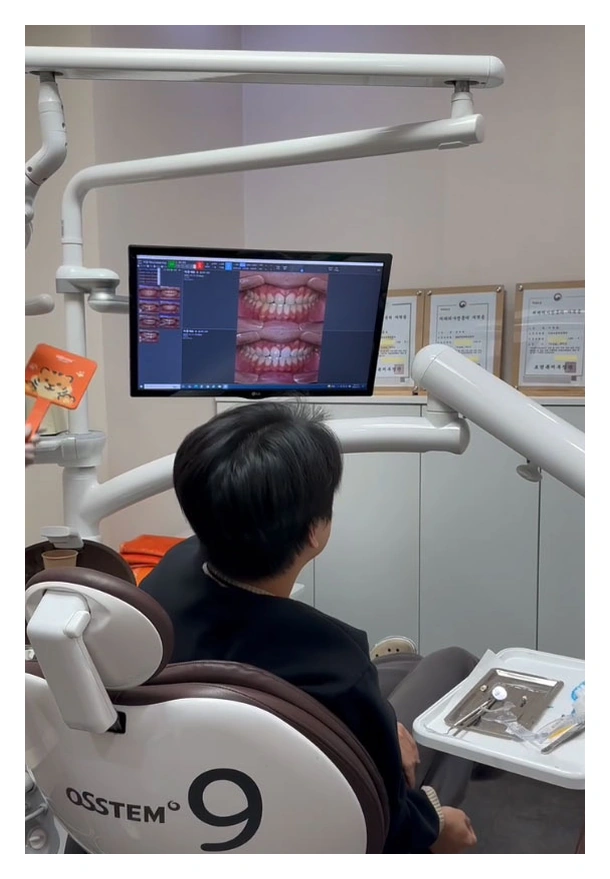
When Do People Start Considering Teeth Whitening?
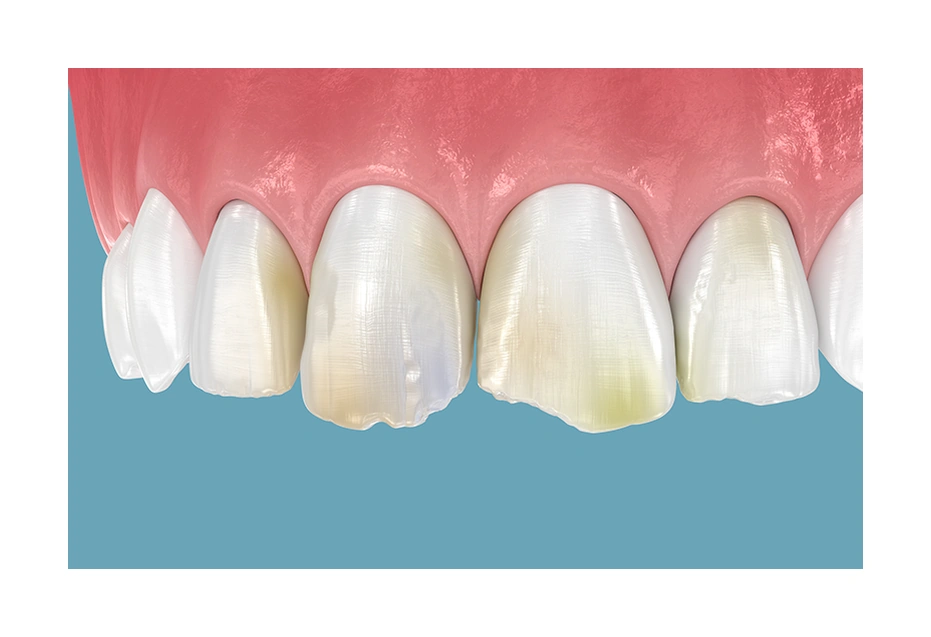
In most real cases, whitening is not triggered by pain or functional issues. Instead, it begins with subtle changes:
- Teeth appearing more yellow in photos
- Gradual discoloration from coffee, tea, or wine
- Smoking-related staining
- A general feeling that the smile looks dull
These are lifestyle-driven changes, not sudden problems. That’s why whitening is typically considered a cosmetic (esthetic) treatment, not a medical necessity.

How Long Does Teeth Whitening Actually Last?
Based on clinical observations, whitening results typically last:
- 3 to 6 months in high-staining lifestyles
- 6 months to 1 year with moderate habits
- Sometimes longer with strict maintenance
However, this is not a guaranteed timeframe. The key variables include:
- Frequency of staining foods (coffee, wine, soda)
- Smoking habits
- Oral hygiene consistency
- Natural enamel thickness and structure
In practice, it’s more accurate to say:
“Whitening lasts as long as your habits allow it to.”
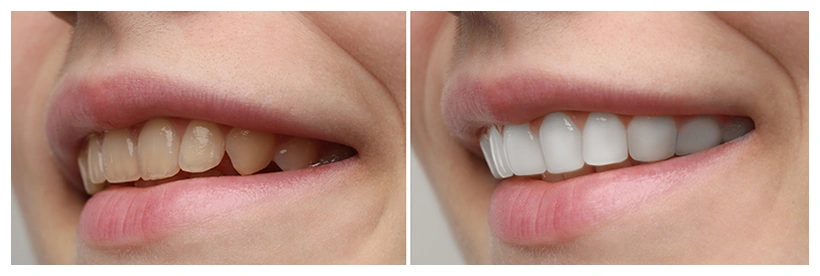
What Happens During the Whitening Process?
A proper whitening workflow is not just a one-step procedure. It usually follows three stages:
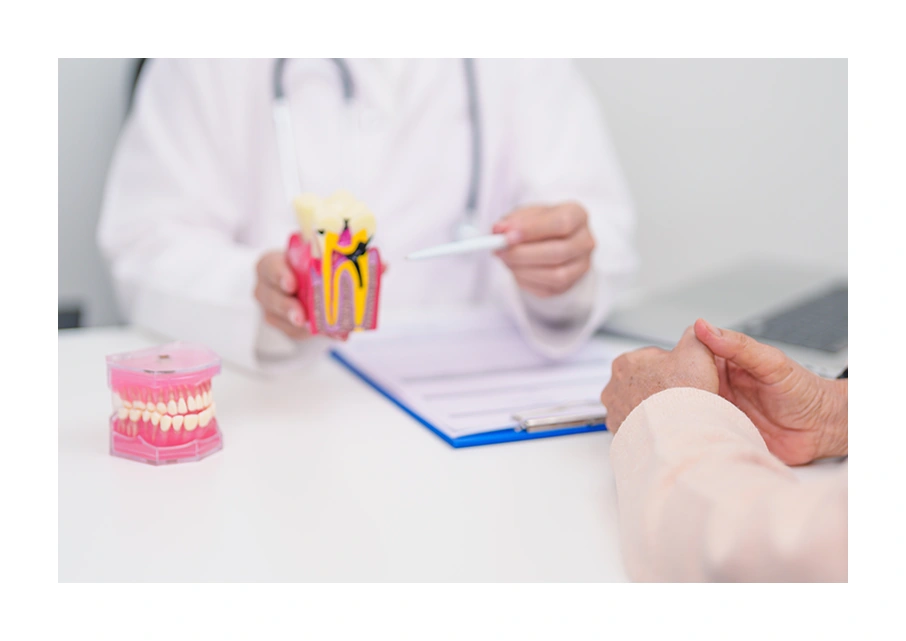
1. Assessment
A dentist evaluates whether discoloration is:
- Extrinsic
- Intrinsic
This distinction matters because not all stains respond equally to whitening.
2. Whitening Procedure
A customized method is selected depending on sensitivity, enamel condition, and desired brightness.
3. Post-Treatment Maintenance
This is where long-term results are determined. Without maintenance, relapse in color is expected.
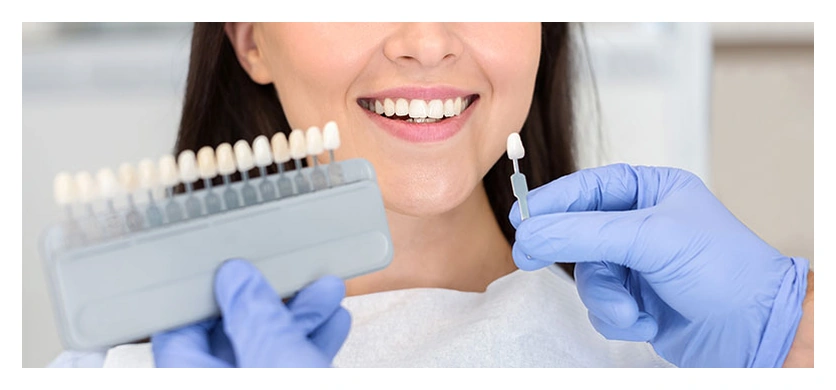
What Actually Extends Whitening Results?
From real patient outcomes, maintenance is the biggest differentiator.
Effective habits include:
- Rinsing with water after consuming staining foods
- Regular dental cleanings
- Using non-abrasive whitening toothpaste
- Occasional touch-up whitening if needed
On the other hand, patients who return quickly to heavy staining habits often see noticeable regression within a few months.
What Should You Consider Before Whitening in Ansan?
Instead of focusing only on “how white it gets,” a more realistic approach includes:
- Your current tooth condition
- The cause of discoloration
- Whether you can maintain post-treatment habits
Even with the same procedure, outcomes vary significantly depending on these factors.
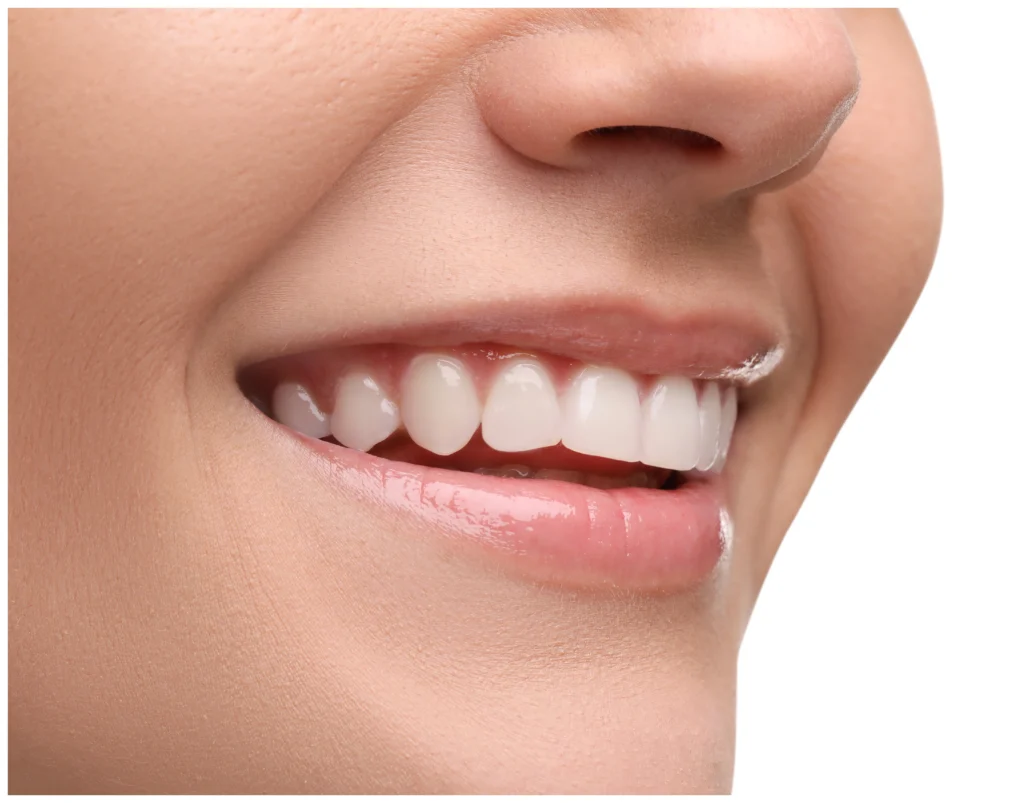
Teeth whitening is not a one-time, permanent solution. It’s a controlled cosmetic improvement that requires ongoing awareness.
Patients who understand the full cycle —
condition → treatment → maintenance —
tend to achieve more stable and satisfying results.

Mind Dental Clinic Information
Mind Dental Clinic, located in Ansan, provides advanced dental treatments including dental implants and no-prep veneers.
Before starting any procedure, patients can receive a comprehensive evaluation of their current oral condition along with a clear explanation of the recommended treatment plan.
Location
4th Floor, Central Tower, 72 Gojan-ro, Danwon-gu, Ansan, South Korea
Phone
+82-31-401-9375
Website https://minddental.co.kr/
Hours
Mon – Thu: 10:00 AM – 8:00 PM
Fri: 10:00 AM – 6:00 PM
Public Holidays: 10:00 AM – 4:00 PM














![[Mind Dental Clinic]Sunday Dental Clinics in Ansan Gojan-dong: What Treatments Are Available? Emergency vs General Care Guide](https://minddtansane.mycafe24.com/wp-content/uploads/2026/03/001_마인드치과_영문_transformed-2.webp)



![[Mind Dental Clinic]Should You Go to the Dentist Immediately When a Tooth Breaks? – Based on Ansan Dental Standards](https://minddtansane.mycafe24.com/wp-content/uploads/2026/03/001_마인드치과_영문_transformed-1.webp)