Basic Dental Care Tips
In the realm of dental care, many patients experience various challenges that can significantly affect their oral health.
One such individual is Mr.
Thompson, a 45-year-old accountant who recently sought my advice due to persistent discomfort in his teeth.
Mr.
Thompson had always been diligent with his oral hygiene, brushing twice a day and visiting the dentist regularly.
However, he could not shake off the sensation of sensitivity that had begun to plague him, particularly after consuming hot or cold beverages.
Upon his visit, Mr.
Thompson described his symptoms in detail.
He noted that the sensitivity was not just a fleeting discomfort but something that lingered and made enjoying his favorite coffee nearly impossible.
In addition to the sensitivity, he also complained about occasional gum swelling and a slight feeling of pressure in the upper jaw
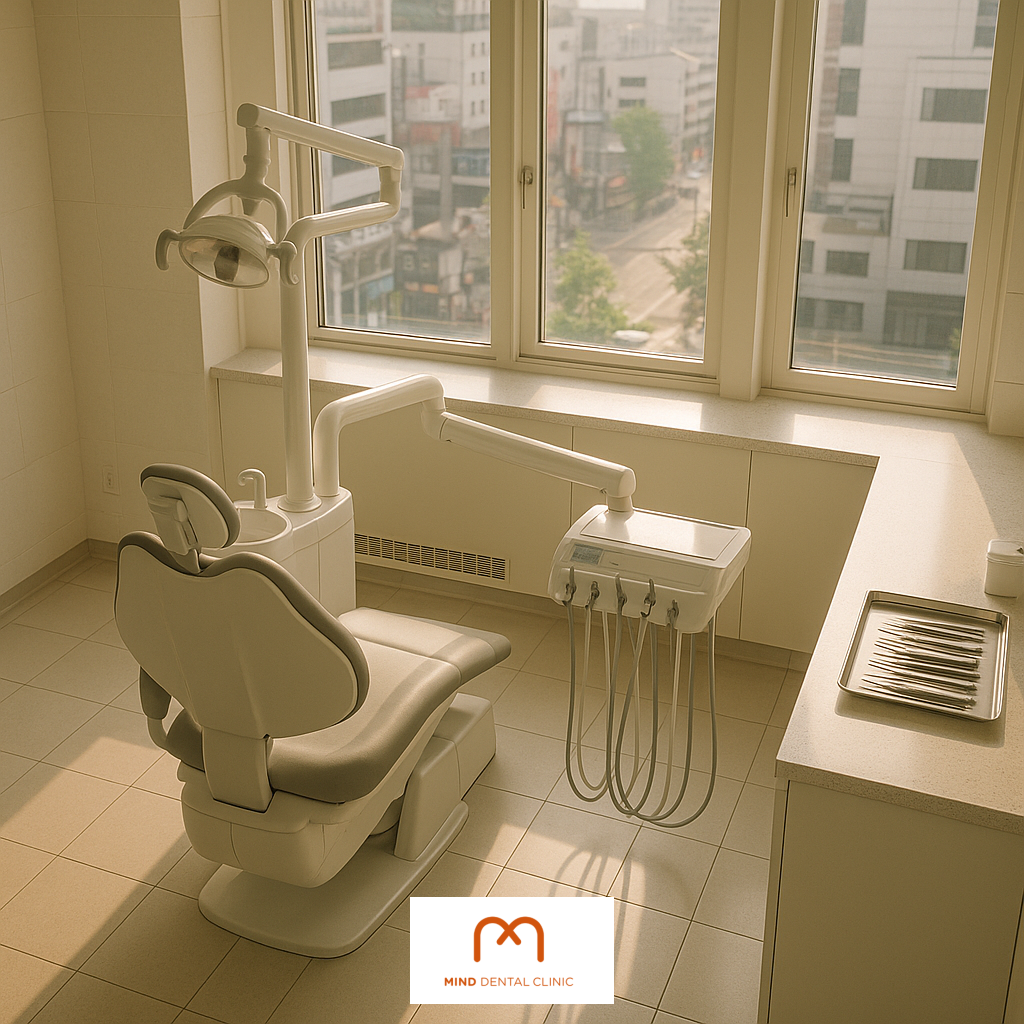
This combination of symptoms prompted me to conduct a thorough examination, which included X-rays to assess the underlying structures of his teeth and gums.
After evaluating Mr.
Thompson’s dental health, it became evident that his sensitivity was rooted in a common but often overlooked issue: gum recession.
Over the years, he had developed gingival recession due to aggressive brushing techniques and neglecting to use a soft-bristled toothbrush.
This had led to the exposure of the tooth roots, which are not covered by enamel and are more susceptible to temperature changes.
Moreover, the swelling in his gums indicated the presence of inflammation, likely from plaque buildup that had aggravated his condition.
To address Mr.
Thompson's dental issues, I recommended a multi-faceted treatment approach
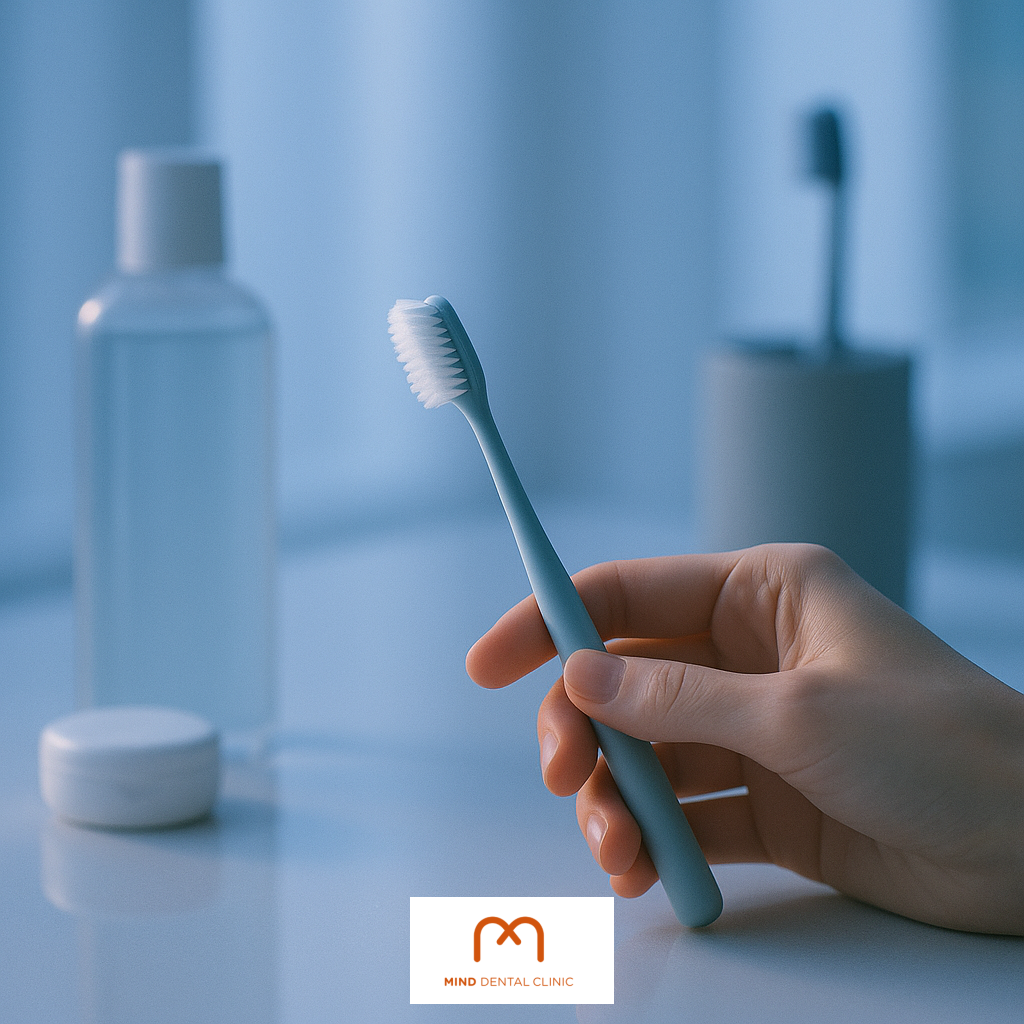
First, we would need to improve his oral hygiene routine by switching to a soft-bristled toothbrush and incorporating a fluoride toothpaste designed for sensitive teeth.
Additionally, I advised him on the proper brushing technique to minimize further gum recession.
We also scheduled a professional cleaning to remove plaque and tartar buildup that was contributing to his gum inflammation.
In some cases, dental sealants could be applied to cover exposed roots, offering additional protection against sensitivity.
In addition to the immediate treatment plan, I emphasized the importance of preventive care to avoid future complications.
Regular dental check-ups every six months are crucial for early detection of issues like gum recession.
I also encouraged Mr.
Thompson to maintain a balanced diet rich in vitamins and minerals, particularly
calcium and vitamin D, which are essential for strong teeth and gums.
For at-home care, using an antibacterial mouthwash can help manage plaque levels and reduce inflammation.
As we concluded our consultation, I reassured Mr.
Thompson that with consistent care and attention to his dental routine, he could significantly improve his symptoms and overall oral health.
It’s vital for individuals to understand that basic dental care goes beyond just brushing and flossing; it involves regular professional evaluations and adapting one’s oral hygiene practices based on individual needs.
If you, like Mr.
Thompson, are experiencing similar issues or have concerns about your dental health, please don’t hesitate to reach out for a professional consultation.
Taking proactive steps today can lead to a healthier smile tomorrow.
답글 남기기