Gum Recession Guide
Experiencing the uncomfortable sensation of receding gums can raise many questions and concerns about oral health.
Understanding why your gums feel like they are receding is crucial for addressing potential issues before they escalate.
This condition, known as gum recession, occurs when the gum tissue pulls away from the teeth, exposing more of the tooth or even the tooth's root.
This not only leads to sensitivity but may also increase the risk of tooth decay and periodontal disease.
Several factors can contribute to the feeling of receding gums
One of the most common causes is periodontal disease, a bacterial infection that affects the tissues surrounding the teeth.
This condition can result in inflammation, which may cause the gums to recede if left untreated.
Additionally, aggressive brushing or using a hard-bristled toothbrush can wear down gum tissue, leading to receding gums.
Other risk factors include genetics, hormonal changes, tobacco use, and teeth grinding, all of which can exacerbate the condition.
To effectively manage the feeling of receding gums, it
is essential to adopt good oral hygiene practices.
Begin with regular dental check-ups, ideally every six months, to monitor gum health and catch any issues early.
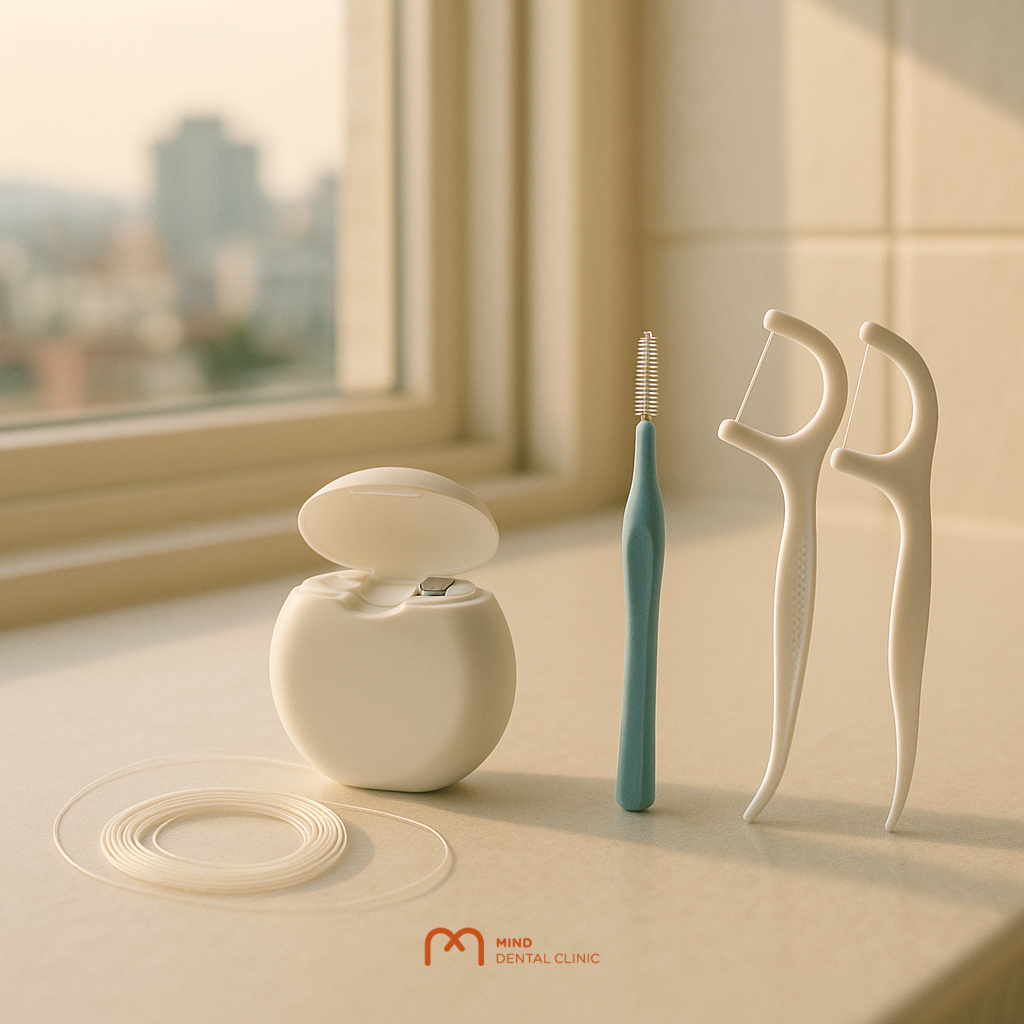
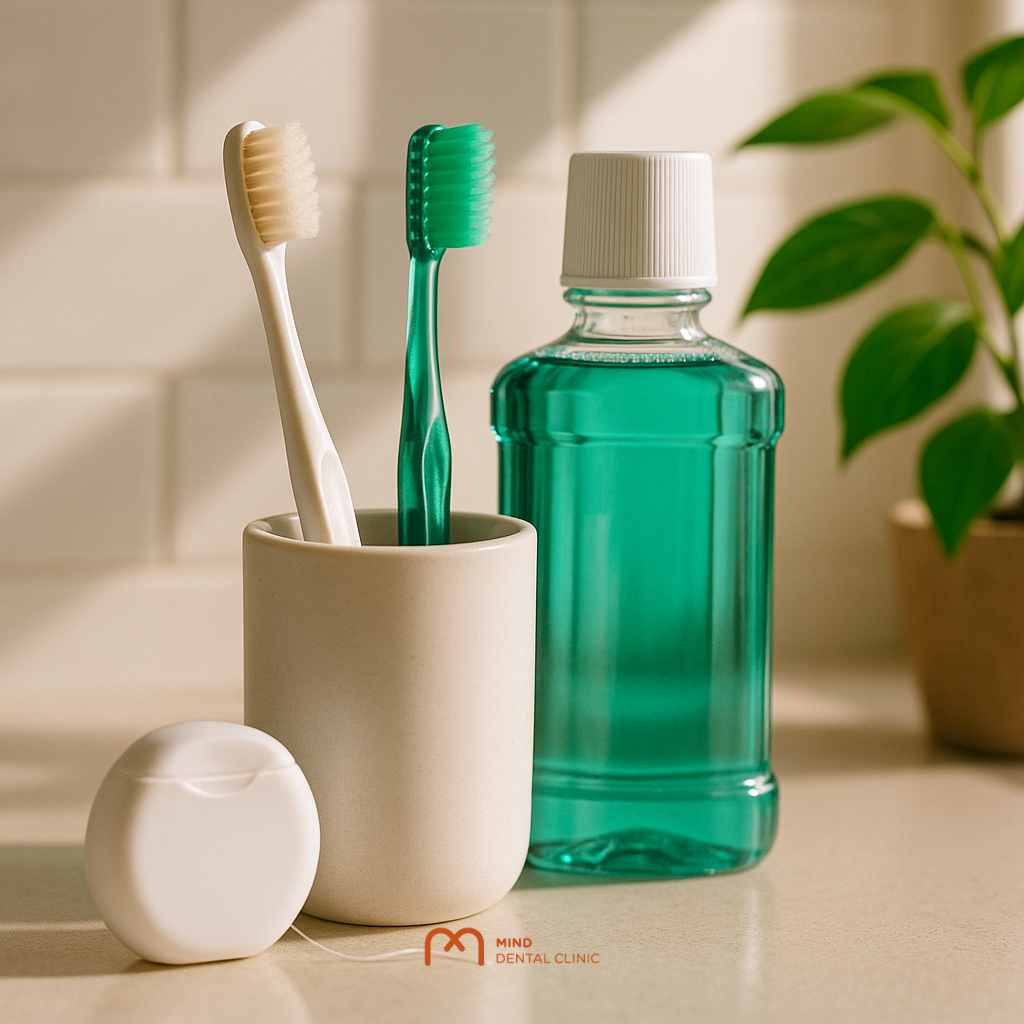
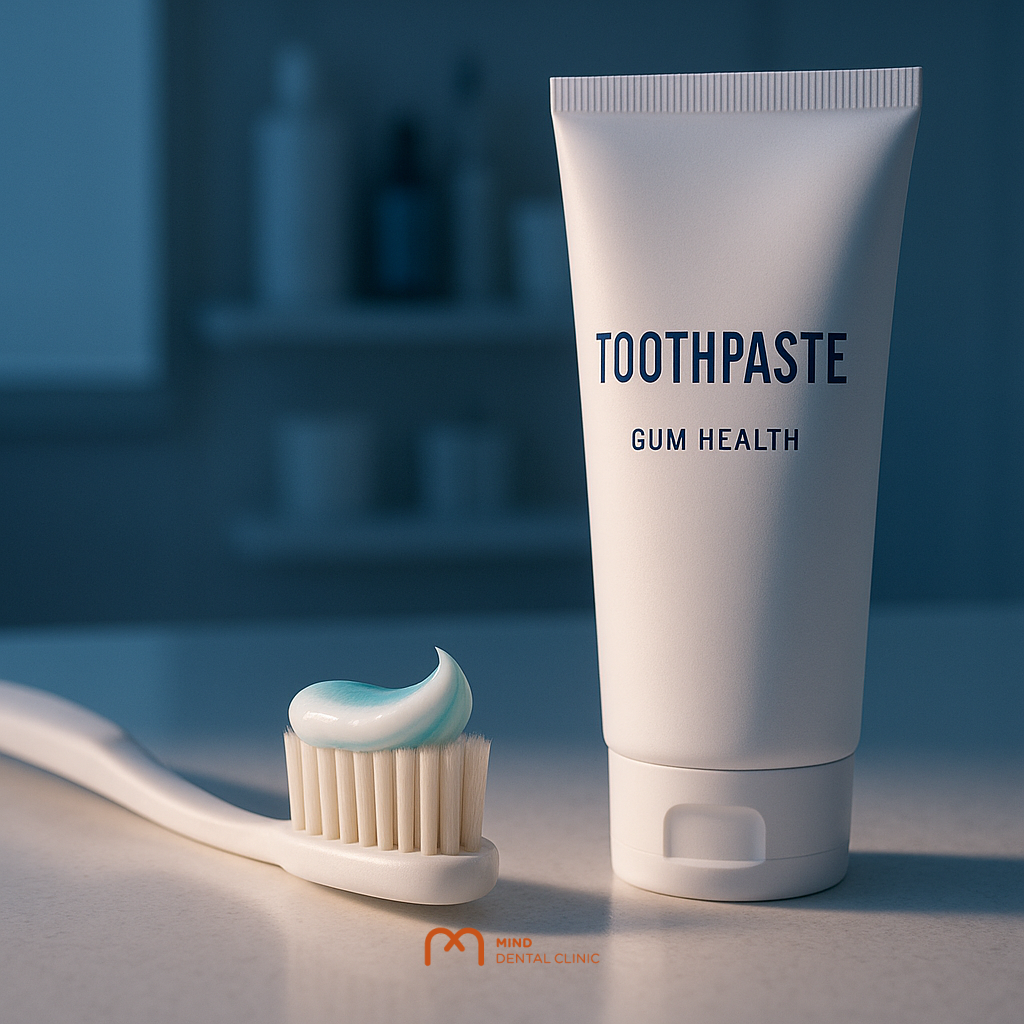
Daily brushing with a soft-bristled toothbrush and fluoride toothpaste, along with flossing, can significantly reduce plaque buildup and help maintain gum integrity.
Moreover, consider using an antibacterial mouthwash to further support gum health and combat bacteria that can lead to periodontal disease.
If you notice that your gums are receding, seeking professional advice is crucial
A dental professional can provide tailored recommendations based on your specific situation.
Treatments may range from deep cleaning procedures to surgical options, depending on the severity of the recession.
Additionally, lifestyle changes such as quitting smoking, managing stress, and eating a balanced diet can promote healthier gums.
Ultimately, understanding the reasons behind your gum health can empower you to take proactive steps toward maintaining a healthy smile.