
Implants Longevity
Many patients often ask, "How long do dental implants last?" This question is crucial for anyone considering implants as a solution for missing teeth.
Generally, dental implants are designed to be a long-term solution, with many lasting 10 to 15 years or even longer with proper care.
However, various factors influence their longevity, including the patient's oral hygiene, lifestyle choices, and the skill of the dental professional performing the procedure

Dental implants consist of three main components: the implant itself, the abutment, and the crown.
During the procedure, a titanium post is surgically placed into the jawbone, where it fuses with the bone in a process called osseointegration.
This fusion is essential for the stability and longevity of the implant.
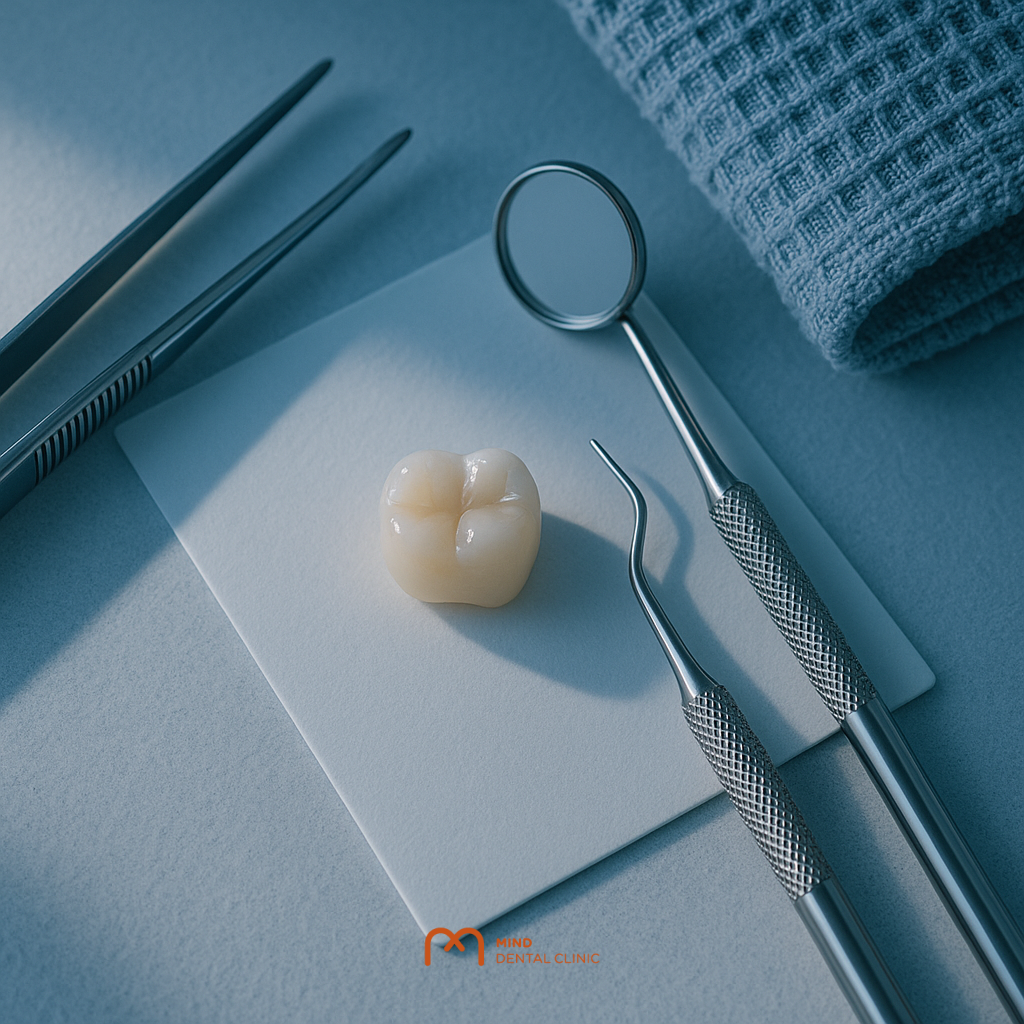
After healing, a custom-made crown is attached to the implant, providing a natural appearance and functionality.
Patients should be aware that while the implant can last many years,
the crown may require replacement sooner due to wear and tear.
To prolong the life of dental implants, maintaining excellent oral hygiene is crucial.
Regular brushing and flossing, along with routine dental check-ups, can help prevent complications such as peri-implantitis, an infection that can affect the surrounding gum tissue and bone.
Additionally, avoiding tobacco products is highly recommended, as smoking can hinder healing and increase the risk of implant failure
A balanced diet rich in calcium and vitamins can also support oral health, contributing to the longevity of dental implants.
In summary, dental implants can last over a decade with proper care and maintenance, but individual factors play a significant role in their longevity.
For those considering implants, it is essential to consult with a dental professional who can provide personalized advice based on individual health needs.
Should you have more questions about dental implants or wish to explore your options, feel free to reach out for a consultation.

답글 남기기