블로그

  • [Mind Dental Clinic]Ansan Cavity Care

    [Mind Dental Clinic]Ansan Cavity Care

    [Mind Dental Clinic]Ansan Cavity Care

    Cavity treatment is a critical aspect of dental health that often goes overlooked, especially when there is no immediate pain or discomfort.
    Many individuals mistakenly believe that the absence of symptoms equates to the absence of problems.
    This perspective can lead to serious dental issues down the line.
    Regular check-ups, even in the absence of pain, can help identify cavities early, preventing more extensive treatments and ensuring overall oral health
    블로그 이미지

    One common mistake dentists encounter is the tendency to delay dental visits until pain becomes unbearable.
    By this point, the cavity may have progressed significantly, potentially leading to root canals or even tooth loss.
    The reality is that cavities can develop quietly, without noticeable symptoms, making regular dental examinations essential.
    During these visits, dentists can utilize X-rays and visual inspections to spot early signs of decay that patients may not recognize

    Another crucial point to consider is the misconception that a healthy diet alone can prevent cavities.
    While good nutrition plays a vital role in oral health, other factors like oral hygiene practices, genetics, and even lifestyle choices can contribute to cavity formation.
    Individuals are often unaware that certain habits, such as frequent snacking or improper brushing techniques, can increase their risk for cavities.
    Therefore, combining a balanced diet with effective brushing and flossing routines

    블로그 이미지

    is imperative to maintain healthy teeth and gums.

    In Ansan, where access to dental care is relatively straightforward, taking advantage of these services is crucial.
    Regular check-ups not only allow for early detection of cavities but also provide an opportunity for professional cleaning and personalized oral health advice.
    By prioritizing dental visits, even when there is no pain, individuals can safeguard their oral health and avoid more significant issues in the future.
    Remember, prevention is always more effective and less costly than treatment.

  • [MIND DENTAL CLINIC]Gum Health Tips

    [MIND DENTAL CLINIC]Gum Health Tips

    [MIND DENTAL CLINIC]Gum Health Tips

    Gum health is an essential aspect of overall dental care, yet many individuals overlook it until problems arise.
    If you notice that your gums are not receding but rather remain swollen or tender, it is crucial to understand when to seek professional advice.
    This guide will help you identify key indicators for gum checks and provide practical steps to ensure your gum health is properly managed.

    First, it is essential to recognize the signs that warrant a visit to a dental professional

    블로그 이미지

    If your gums bleed during brushing or flossing, or if you experience persistent bad breath, these symptoms should not be ignored.
    Both indicate that there may be underlying issues such as gingivitis or periodontal disease that require immediate attention.
    Additionally, if your gums have a swollen appearance or if you notice pockets forming between your gums and teeth, it is advisable to schedule an appointment with a dentist.

    Next, understanding the frequency of dental check-ups is vital for maintaining gum health

    Generally, it is recommended to visit your dentist every six months for a routine check-up and cleaning.
    However, if you have existing gum issues or a history of gum disease, more frequent visits may be necessary.
    Your dentist can provide a personalized schedule based on your specific needs and oral health conditions.
    Keeping track of your gum health can help preempt more severe issues down the line.

    Lastly, incorporating good oral hygiene practices at home is crucial in managing your gum health

    블로그 이미지

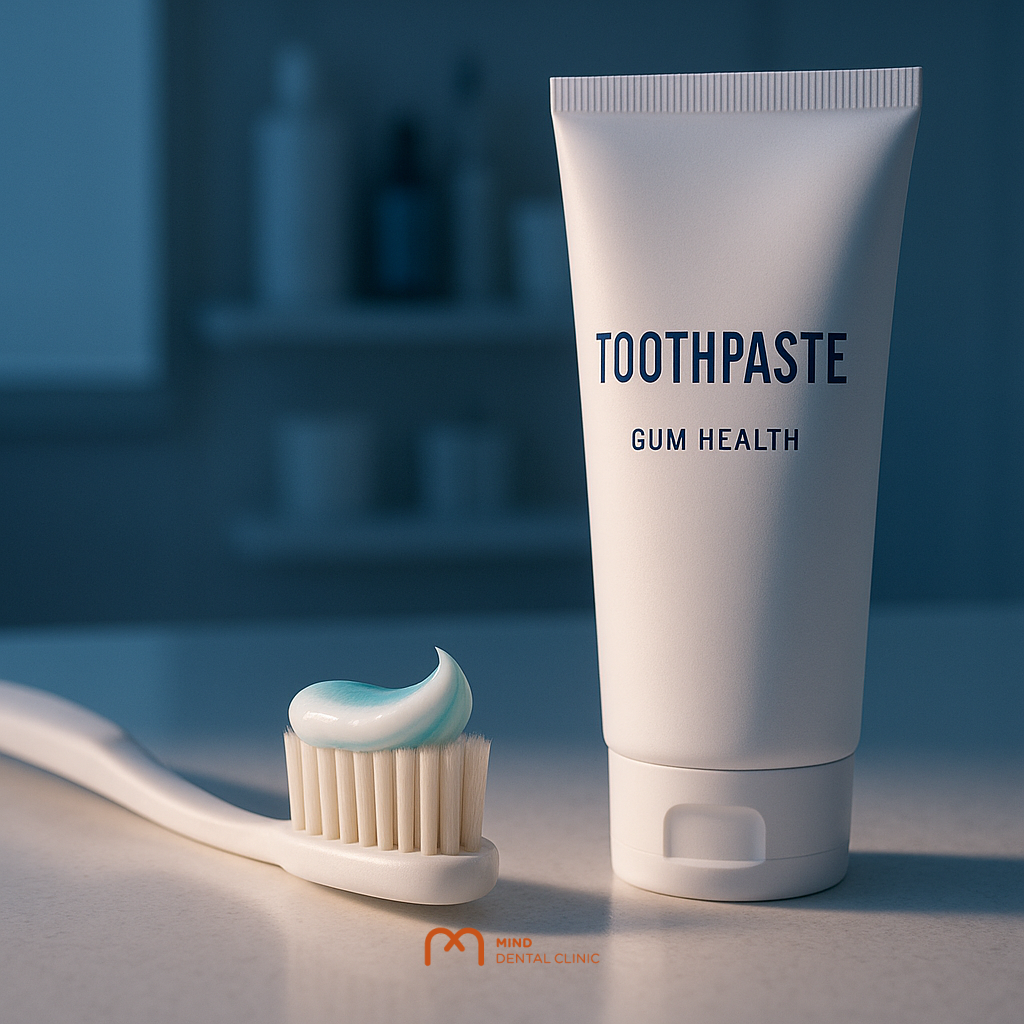
    Make sure to brush your teeth at least twice a day with a fluoride toothpaste and floss daily to remove plaque buildup.
    Consider using an antibacterial mouthwash to reduce bacteria that cause gum disease.
    Additionally, a balanced diet rich in vitamins and minerals can promote healthy gums.
    Foods high in vitamin C, such as oranges and strawberries, can help strengthen gum tissue and combat inflammation.
    Regularly monitoring your gum health and making proactive choices can significantly contribute to your overall dental well-being.

  • Gum Check Guide

    Gum Check Guide

    Gum Check Guide

    Gum health is a vital aspect of oral hygiene that often gets overlooked.
    Many individuals may notice that their gums do not appear to recede or improve despite good oral care practices.
    Understanding when to seek professional help for gum issues is crucial for maintaining overall dental health.
    Here is a step-by-step guide on when to get your gums checked if they don’t go down.

    Firstly, monitor your gum condition closely.
    If you observe persistent swelling, tenderness, or bleeding when brushing or flossing, it’s a signal that your gums may be inflamed.
    Healthy gums should not bleed during regular cleaning

    If these symptoms persist for more than a few days, it’s time to consider scheduling an appointment with a dental professional.
    Early detection can prevent the progression of gum disease, which can lead to more severe dental problems down the line.

    Next, assess your oral hygiene routine.
    Are you consistent with brushing twice a day and flossing daily?
    Inadequate oral care can lead to plaque buildup, which irritates the gums.
    If you find that your gum issues persist despite maintaining a proper hygiene routine, this could indicate an underlying issue that needs professional evaluation

    A dentist can provide tailored advice or treatment options that can help address any shortcomings in your current routine.

    Additionally, consider any changes in your overall health that may affect your gums.
    Conditions such as diabetes, hormonal changes, or certain medications can contribute to gum problems.
    If you have any chronic health issues or have recently started new medications, it’s essential to discuss these with your dentist.
    They can help determine if these factors are contributing to your gum health concerns and suggest appropriate interventions

    블로그 이미지

    Lastly, don’t hesitate to seek a professional opinion if you have any doubts.
    If your gums have not improved after following a recommended care routine, or if you experience sharp pain or persistent discomfort, it’s time to get checked.
    Regular dental visits are essential, and your dentist can perform a thorough examination to diagnose any issues accurately.
    Remember, proactive dental care is better than reactive treatment; addressing gum problems early can save you time, discomfort, and cost in the long run.

  • Understanding Implant Costs

    Understanding Implant Costs

    [Mind Dental Clinic]Understanding Implant Costs

    Determining the costs associated with dental implants in Ansan can be a multifaceted process.
    Many factors come into play, and understanding these criteria can significantly aid individuals in making informed decisions regarding their dental health.
    A common concern among patients is the variation in prices across different clinics, leading to confusion and uncertainty about what they should expect to pay for their implant procedures.

    One of the primary criteria influencing implant costs is the type of implant used

    블로그 이미지

    There are various brands and materials available, each with its own price point.
    For instance, titanium implants are widely regarded for their durability and biocompatibility, but they may come at a higher cost compared to other materials.
    Patients should inquire about the specific types of implants a clinic offers and the reasons behind the pricing.
    This knowledge can help them weigh the benefits against the costs and choose the best option for their needs.

    Another significant factor is the expertise and experience of the dental professionals performing the procedure

    Clinics that employ highly trained specialists or utilize advanced technology often charge more for their services.
    However, this investment can lead to better outcomes and fewer complications in the long run, making it a worthwhile consideration.
    Patients are encouraged to ask about the qualifications of the dental team and review their track record, as this can provide reassurance regarding the quality of care they will receive.

    Additionally, the overall treatment plan can affect implant costs

    블로그 이미지

    Some patients may require preliminary procedures, such as bone grafting or sinus lifts, before the implant can be placed.
    These additional treatments can add to the overall expense but are essential for ensuring the success of the implant.
    Understanding the complete treatment plan and any associated costs will help patients budget effectively and avoid unexpected expenses.
    By taking these criteria into account, individuals can navigate the complexities of dental implant pricing in Ansan with greater confidence.

  • Gum Swelling Tips

    Gum Swelling Tips

    Gum Swelling Tips

    Gum swelling is an alarming condition that can affect anyone, often indicating underlying dental issues or health concerns.
    Many individuals experience gum swelling at some point in their lives, causing discomfort and raising questions about oral health management.
    Understanding how to manage gum swelling habits is essential for maintaining overall dental hygiene and preventing further complications.

    Consider the story of Sarah, a 32-year-old marketing professional who faced chronic gum swelling

    블로그 이미지

    Initially, she dismissed the symptoms as minor and continued her daily routine.
    However, the swelling worsened, leading to persistent pain and difficulty in eating.
    After consulting a dentist, Sarah learned that her swollen gums were a result of poor dental hygiene coupled with stress-related habits like teeth grinding.
    This experience illustrates the importance of recognizing the signs and seeking professional advice before the situation escalates.

    To effectively manage gum swelling, adopting practical habits is crucial

    Regular brushing and flossing can help prevent plaque buildup, which is often a primary cause of gum inflammation.
    Additionally, incorporating a mouthwash containing antibacterial properties can reduce bacteria in the mouth, further aiding in the prevention of gum issues.
    Sarah found that using a soft-bristled toothbrush not only made brushing more comfortable during her episodes of swelling but also improved her overall gum health in the long run.

    Moreover, lifestyle changes can significantly impact gum health

    블로그 이미지

    Stress management techniques such as meditation, yoga, or even regular exercise can reduce habits like teeth grinding and jaw clenching, which contribute to gum swelling.
    Sarah incorporated mindfulness practices into her daily routine, which not only helped her manage stress but also positively affected her oral health.
    By addressing both dental care and lifestyle factors, individuals can create a comprehensive approach to managing gum swelling habits effectively, leading to healthier gums and a brighter smile.


  • Gum Recession Guide

    Gum Recession Guide

    Gum Recession Guide

    Experiencing the uncomfortable sensation of receding gums can raise many questions and concerns about oral health.
    Understanding why your gums feel like they are receding is crucial for addressing potential issues before they escalate.
    This condition, known as gum recession, occurs when the gum tissue pulls away from the teeth, exposing more of the tooth or even the tooth's root.
    This not only leads to sensitivity but may also increase the risk of tooth decay and periodontal disease.

    Several factors can contribute to the feeling of receding gums

    블로그 이미지

    One of the most common causes is periodontal disease, a bacterial infection that affects the tissues surrounding the teeth.
    This condition can result in inflammation, which may cause the gums to recede if left untreated.
    Additionally, aggressive brushing or using a hard-bristled toothbrush can wear down gum tissue, leading to receding gums.
    Other risk factors include genetics, hormonal changes, tobacco use, and teeth grinding, all of which can exacerbate the condition.

    To effectively manage the feeling of receding gums, it

    is essential to adopt good oral hygiene practices.
    Begin with regular dental check-ups, ideally every six months, to monitor gum health and catch any issues early.
    Daily brushing with a soft-bristled toothbrush and fluoride toothpaste, along with flossing, can significantly reduce plaque buildup and help maintain gum integrity.
    Moreover, consider using an antibacterial mouthwash to further support gum health and combat bacteria that can lead to periodontal disease.

    If you notice that your gums are receding, seeking professional advice is crucial

    블로그 이미지

    A dental professional can provide tailored recommendations based on your specific situation.
    Treatments may range from deep cleaning procedures to surgical options, depending on the severity of the recession.
    Additionally, lifestyle changes such as quitting smoking, managing stress, and eating a balanced diet can promote healthier gums.
    Ultimately, understanding the reasons behind your gum health can empower you to take proactive steps toward maintaining a healthy smile.


  • Understanding Gum Bleeding

    Understanding Gum Bleeding

    Understanding Gum Bleeding

    Experiencing bleeding gums while brushing your teeth can be alarming and often leads to concerns about your oral health.
    Many people may dismiss this issue, believing it's a minor inconvenience or a result of aggressive brushing.
    However, understanding the underlying causes is essential for maintaining good dental hygiene and preventing more serious problems.
    This article will explore the reasons why your teeth bleed when you brush, while also offering practical advice on how to address this issue effectively.

    One of the primary reasons for bleeding gums is gum disease, which can range from

    블로그 이미지

    gingivitis to more severe forms like periodontitis.
    Gingivitis, characterized by inflamed and bleeding gums, is usually the result of plaque buildup on the teeth.
    When plaque is not removed by regular brushing and flossing, it hardens into tartar, which can lead to infection.
    Many people, including those who visit dental clinics like Ansan Dental Clinic, often report that they only notice the issue when they brush their teeth.
    It’s crucial to recognize that while bleeding gums may seem benign, they can be an early sign of gum disease that requires attention

    Another factor contributing to bleeding gums is the technique used while brushing.
    Using a hard-bristled toothbrush or applying excessive pressure can irritate the gums, leading to bleeding.
    It's important to use a soft-bristled toothbrush and gentle strokes to clean your teeth effectively without causing harm to your gums.
    Additionally, many individuals overlook the importance of flossing.
    Failing to floss regularly can lead to plaque accumulation between the teeth, which can exacerbate gum issues.
    Incorporating flossing into your daily routine alongside proper brushing techniques can significantly reduce the risk of bleeding gums

    블로그 이미지

    If you find that your gums continue to bleed despite changes in your oral hygiene routine, it may be time to consult a dental professional.
    Regular check-ups at a dental clinic can help identify any underlying issues that may not be visible during routine care.
    Dentists can provide tailored advice based on your specific situation, and they may recommend treatments such as professional cleanings or mouth rinses to combat gum disease.
    By taking proactive steps and addressing the problem early, you can improve your oral health and prevent further complications down the line.


  • Bad Breath Basics

    Bad Breath Basics

    Bad Breath Basics

    Bad breath, or halitosis, is a common issue that many people face, and it can be particularly frustrating when brushing your teeth does not seem to eliminate the problem.
    Understanding the underlying causes of persistent bad breath is crucial in addressing this concern effectively.
    There are several reasons why your breath may still stink despite regular dental hygiene practices.

    One primary reason for ongoing bad breath is the presence of bacteria in the mouth

    블로그 이미지

    Even after thorough brushing, bacteria can persist in hard-to-reach areas such as the back of the tongue, between teeth, and along the gum line.
    These bacteria produce sulfur compounds that are often responsible for foul odors.
    To combat this, consider incorporating a tongue scraper into your dental routine.
    This simple tool can help remove bacteria and food particles that brushing alone may miss.

    Another factor contributing to bad breath is dry mouth, or xerostomia

    Saliva plays a vital role in cleansing the mouth and neutralizing acids produced by bacteria.
    When saliva production is low, usually due to dehydration, medication, or certain health conditions, bad breath can worsen.
    Staying hydrated throughout the day and using saliva substitutes can help maintain moisture in the mouth, thereby reducing bad breath.

    Diet can also significantly impact your breath.
    Foods such as garlic, onions, and certain spices contain volatile

    블로그 이미지

    compounds that can linger in your mouth long after consumption.
    Additionally, high-sugar diets can promote the growth of bacteria that produce bad odors.
    To mitigate this, try to maintain a balanced diet rich in fruits and vegetables, which can help combat bad breath naturally.
    Regular dental check-ups are also essential to identify any underlying dental issues that could contribute to persistent bad breath, ensuring you maintain optimal oral health.


  • Dental Health Tips

    Dental Health Tips

    Dental Health Tips

    Maintaining good dental health is essential for overall well-being, yet many individuals overlook the daily habits that contribute to it.
    This article aims to provide practical tips and expert advice on effective dental health habits that can be easily integrated into your routine.
    Understanding these habits can lead to healthier teeth and gums, preventing issues such as cavities and gum disease.

    One of the most fundamental aspects of dental health is proper brushing techniques.
    Many people brush their teeth incorrectly or do not brush long enough

    블로그 이미지

    Experts recommend brushing for at least two minutes, twice a day, using fluoride toothpaste.
    A soft-bristled toothbrush is ideal, as it is gentle on the gums while effectively removing plaque.
    Additionally, incorporating a systematic approach to brushing—starting from the outer surfaces, moving to the inner surfaces, and finishing with chewing surfaces—can ensure thorough cleaning.
    Regularly replacing your toothbrush every three to four months is also crucial, as worn bristles can be less effective.

    Flossing is another vital habit that should not be neglected

    While brushing removes plaque from the outer surfaces of teeth, flossing reaches the areas between teeth that toothbrushes cannot.
    Flossing at least once a day is recommended, preferably before bedtime.
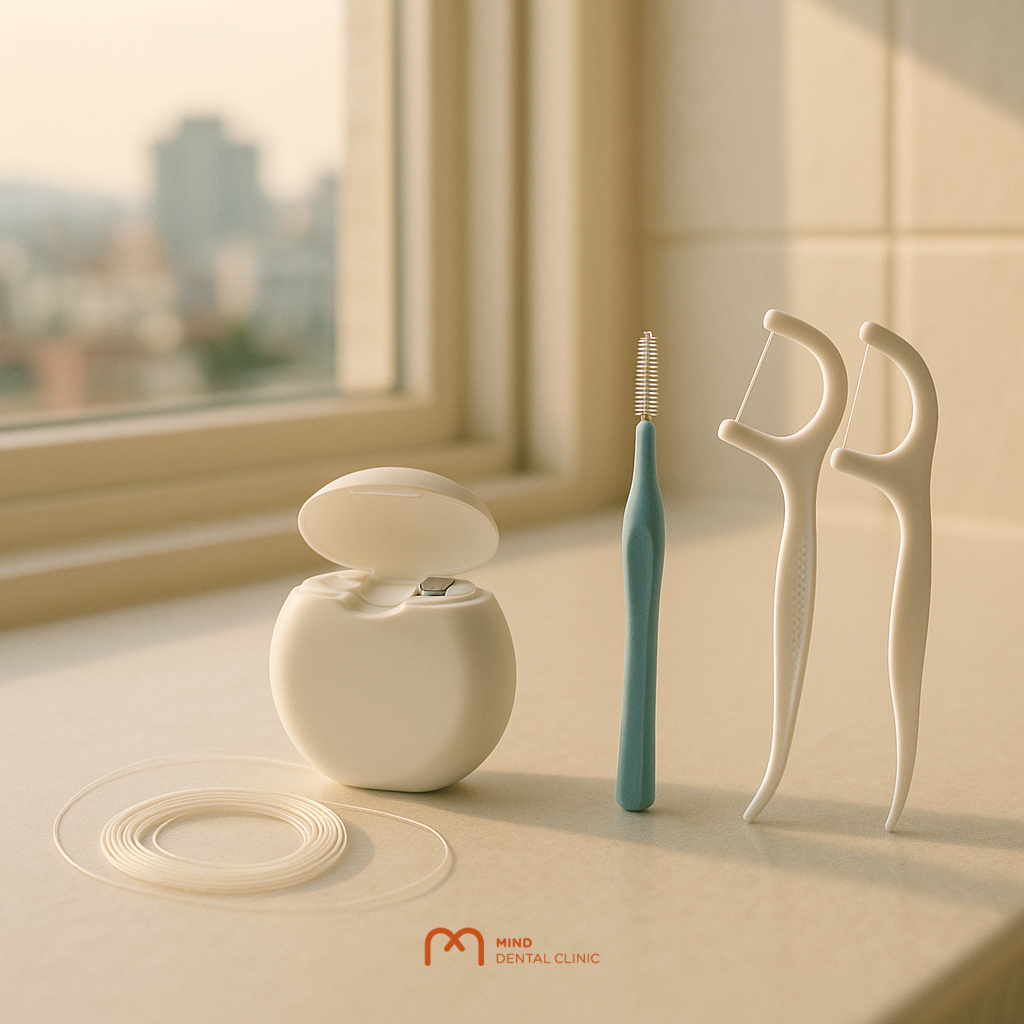
    If traditional floss is challenging to manage, options like floss picks or water flossers can be effective alternatives.
    For those who struggle with gum bleeding during flossing, it is essential to continue the practice gently, as this can improve gum health over time.

    In addition to brushing and flossing, dietary choices play a significant role in dental health

    블로그 이미지

    Consuming a balanced diet rich in vitamins and minerals aids in maintaining strong teeth and gums.
    Foods high in calcium, such as dairy products, leafy greens, and nuts, are beneficial, while sugary snacks and drinks should be limited to prevent decay.
    Drinking water, especially fluoridated water, helps wash away food particles and reduce acidity in the mouth.
    Regular dental check-ups, at least twice a year, are also crucial for professional cleaning and to catch any potential issues early on.
    These visits provide an opportunity for dental professionals to offer personalized advice based on individual health needs, ensuring optimal dental health.


  • Brush Tips for Health

    Brush Tips for Health

    Brush Tips for Health

    Interdental brushes are essential tools for maintaining oral hygiene, especially in areas where traditional toothbrushes may struggle to reach.
    Learning how to use an interdental brush correctly can significantly enhance your dental care routine and contribute to overall oral health.
    This guide will provide practical tips and insights based on expert advice, ensuring you get the most out of your interdental brush while considering best practices advocated by dental professionals.

    To begin with, selecting the right size of interdental brush is crucial

    블로그 이미지

    These brushes come in various sizes to accommodate different gaps between teeth.
    If the brush is too large, it may cause discomfort or damage the gums.
    Conversely, a brush that is too small may not effectively clean the spaces.
    A visit to a dental clinic may help determine the appropriate size.
    Generally, it's advisable to start with the smallest size and gradually increase if necessary.
    Some brushes also come with flexible heads, which can be particularly useful for navigating tricky areas in the mouth.

    When using an interdental brush, the technique is just as important as the tool itself

    Begin by gently inserting the brush between your teeth at a slight angle.
    It’s vital to avoid forcing the brush into place, as this can lead to gum irritation or injury.
    Once inserted, move the brush back and forth gently for several strokes.
    This action helps dislodge plaque and food particles effectively.
    After use, make sure to rinse the brush thoroughly and allow it to dry.
    Regular cleaning of the brush is essential to prevent the buildup of bacteria, ensuring it remains effective and safe for use.

    Incorporating interdental brushing into your daily routine can significantly

    블로그 이미지

    reduce the risk of gum disease and cavities.
    It's recommended to use the brush at least once a day, typically before bedtime when plaque buildup is at its peak.
    For those who might find it challenging to remember, consider placing the brush next to your toothbrush or setting a reminder on your phone.
    The key is consistency, as regular use can lead to noticeable improvements in oral health.
    Should you have any uncertainties or need personalized advice, consulting with a dental professional can provide tailored recommendations suited to your needs.