블로그

  • Scaling Sensitivity

    Scaling Sensitivity

    Scaling Sensitivity

    In the world of dental care, patient stories often provide valuable insights into common issues and their resolutions.
    Let’s explore the case of Mr.
    Thompson, a 45-year-old accountant who recently visited our clinic complaining of heightened tooth sensitivity following a routine dental scaling procedure.

    Mr.
    Thompson had always maintained a regular dental check-up schedule, but after his last visit, he began to experience discomfort when consuming hot or cold beverages.
    He described the sensation as a sharp pain that would linger for a few moments before subsiding.
    Concerned, he reached out for a professional assessment, as this was not a typical experience for him.

    To understand Mr.
    Thompson's situation better, we first examined his dental history.
    He had undergone scaling without any prior issues, so the sudden sensitivity was puzzling
    블로그 이미지

    During the examination, we noted that Mr.
    Thompson had some gingival recession, a condition where the gums pull away from the tooth surface, exposing the sensitive root area.
    This exposure can lead to discomfort, especially after scaling, which removes plaque and tartar from the tooth surface, potentially leaving the roots more vulnerable.

    The primary causes of sensitivity after scaling can be attributed to several factors.
    One significant reason is that the procedure can temporarily irritate the gums and tooth surfaces, especially if the gums are already inflamed.
    The removal of calculus can also lead to the exposure of dentin, the layer beneath the enamel, which contains tiny tubules that connect to nerve endings.
    When these tubules are exposed, they can react to temperature changes and certain foods, leading to discomfort

    For Mr.
    Thompson, our treatment plan included recommending desensitizing toothpaste, which contains compounds that can help block the nerve signals that cause pain.
    We also discussed the possibility of fluoride treatments, which can strengthen enamel and reduce sensitivity.
    Additionally, we emphasized the importance of gentle brushing techniques and using a soft-bristled toothbrush to avoid further gum irritation.

    To prevent such sensitivity in the future, we advised Mr.
    Thompson on several care tips.
    First, maintaining excellent oral hygiene is crucial.
    Regular brushing and flossing can help prevent gum disease, which is a leading cause of gum recession.
    Second, patients should avoid overly aggressive brushing, which can wear down enamel and contribute to gum recession
    블로그 이미지

    Lastly, we recommended regular dental check-ups to monitor any changes in gum health and address potential issues before they escalate.

    Mr.
    Thompson’s case illustrates the importance of understanding the effects of dental scaling and how to manage and prevent sensitivity.
    If you or someone you know is experiencing similar issues after a dental procedure, it is essential to seek professional advice.
    A thorough evaluation can help identify the underlying causes and develop an effective treatment plan.
    Taking proactive steps in oral care can lead to a healthier smile and reduce the likelihood of discomfort in the future.
    If you're concerned about tooth sensitivity or any dental issues, don’t hesitate to reach out for a consultation.

  • Prosthodontics Tips

    Prosthodontics Tips

    Prosthodontics Tips

    Have you ever felt anxious about visiting the dentist?
    You’re definitely not alone!
    Many people struggle with feelings of apprehension when it comes to dental appointments, especially when they think about procedures like prosthodontics.
    It's normal to feel this way, but understanding what prosthodontics involves can make the experience a lot less intimidating.
    Let’s talk about it in a warm and friendly way, so you can feel more at ease and informed.

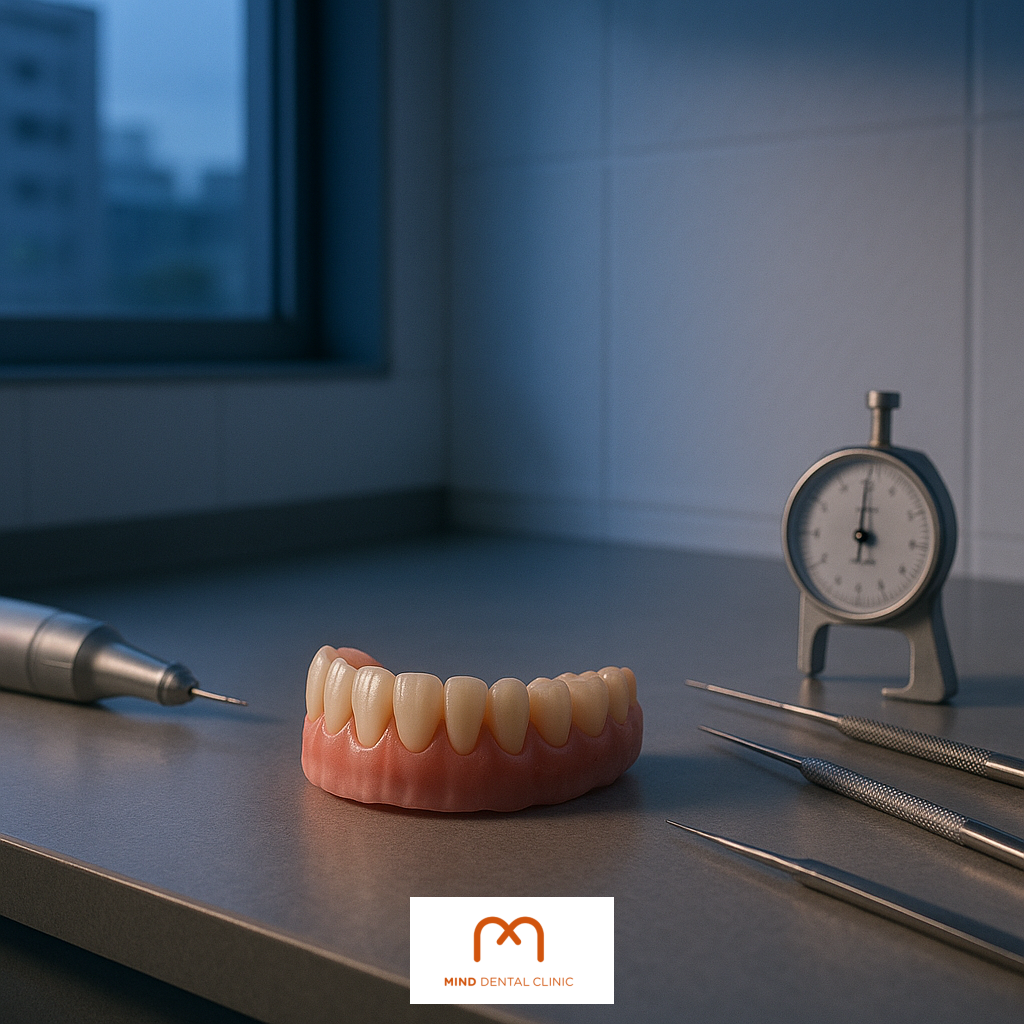
    Prosthodontics is a branch of dentistry that focuses on restoring and replacing teeth.
    This can include everything from crowns and bridges to dentures and implants

    블로그 이미지

    The need for prosthodontics often arises from a variety of factors, such as tooth decay, trauma, or congenital conditions.
    When teeth are lost or damaged, it can significantly impact not just your smile but also your overall health.
    It’s important to address these issues promptly, as delaying treatment can lead to more complex problems down the road, including misalignment and difficulty chewing.

    So, what can you do to ensure you’re taking care of your dental health?
    First, regular check-ups are crucial.
    Visiting your dentist at least twice a year allows for early detection of any issues

    If you have existing dental work, like crowns or bridges, make sure to discuss their condition during your visit.
    Another important tip is to maintain a good oral hygiene routine at home.
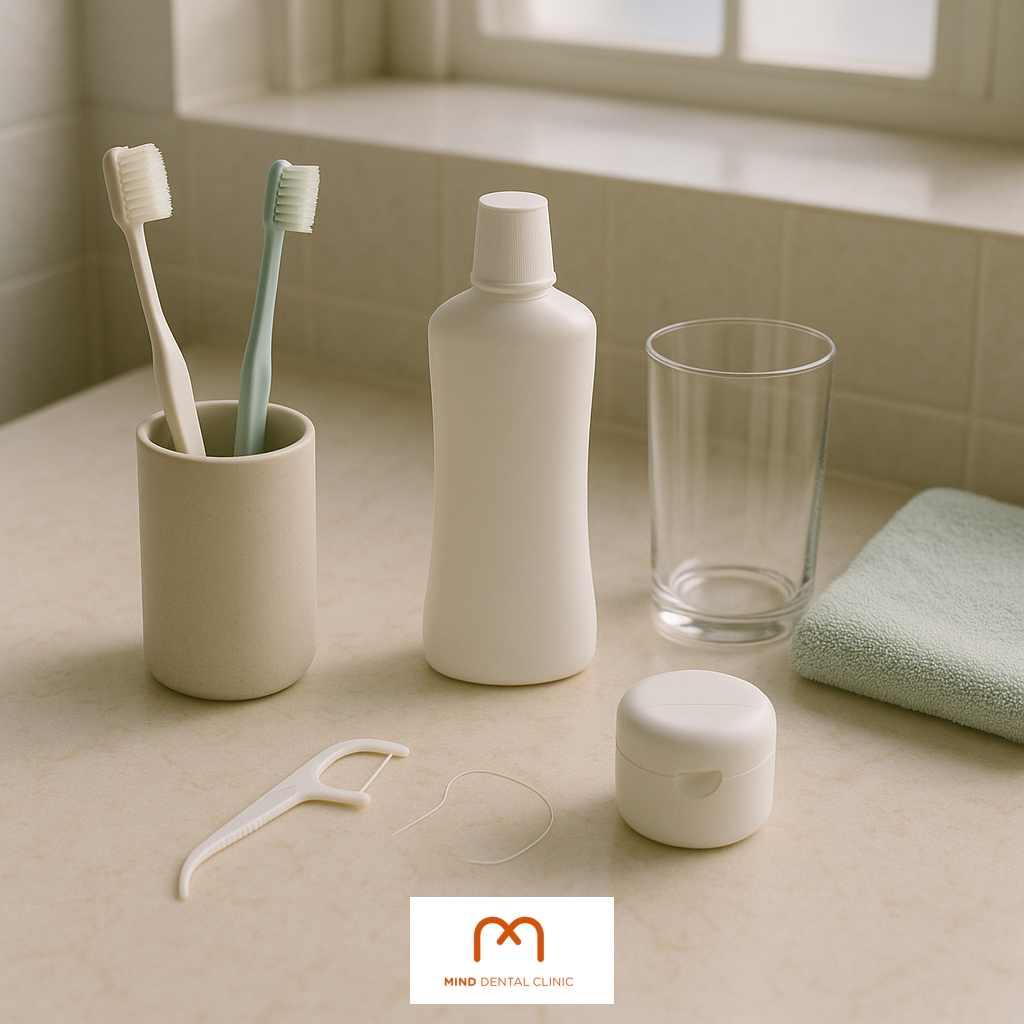
    Brushing twice a day, flossing daily, and using mouthwash can help prevent decay and keep your teeth strong.
    Consider using a soft-bristled toothbrush and fluoride toothpaste for optimal results.

    If you ever find yourself needing prosthodontics, remember that you have options.
    For example, dental implants are a popular choice for replacing missing teeth.
    They look and function like natural teeth, giving you a great smile and restoring your confidence

    블로그 이미지

    Don't hesitate to ask your dentist about the best choices for your specific situation.
    Finally, if you’re feeling nervous about any procedure, communicate that with your dentist.
    They can provide sedation options or comfort techniques to help alleviate your anxiety.
    We’re here to ensure that your dental experience is as pleasant as possible.

    Key Takeaway: Prosthodontics is essential for restoring your smile and maintaining your oral health.
    Regular dental visits, a strong at-home care routine, and open communication with your dentist can significantly improve your experience and outcomes.
    If you have any concerns or questions, please reach out to us.
    We’re here to help you smile brighter!


  • Ansan Dental Clinic Tips

    Ansan Dental Clinic Tips

    Ansan Dental Clinic Tips

    Taking care of your teeth is essential for maintaining overall health and well-being.
    One common query patients have is about dental implants – their lifespan and maintenance.
    As an experienced dental specialist, I want to share some insights on this topic, helping you understand how dental implants work and what you can do to ensure they last a long time.

    Dental implants are a popular solution for replacing missing teeth.
    They are designed to be durable and function like natural teeth, providing a strong foundation for crowns, bridges, or dentures.
    The lifespan of a dental implant can vary based on several factors, such as the location of

    블로그 이미지

    the implant, the patient’s oral hygiene habits, and any underlying health conditions.
    Generally, with proper care, dental implants can last anywhere from 10 to 15 years or even longer.
    However, it's crucial to understand that they require regular maintenance, just like natural teeth.

    One of the primary reasons dental implants fail is due to infection or peri-implantitis, which is inflammation of the tissue surrounding the implant.
    This condition can be caused by poor oral hygiene, smoking, or underlying medical issues like diabetes.
    Regular check-ups with your dentist are vital to identify any early signs of complications

    During these visits, your dentist can clean the area around the implant and ensure that everything is functioning as it should.
    Understanding how to care for your dental implants can significantly impact their longevity.

    To maintain your dental implants, start with a solid oral hygiene routine.
    Brush your teeth at least twice a day and floss daily to remove plaque and food particles that can contribute to gum disease.
    Consider using an antibacterial mouthwash to further reduce the risk of infection.
    Additionally, regular dental visits for professional cleanings and evaluations are essential

    블로그 이미지

    Your dentist can provide personalized advice based on your specific situation and ensure that your implants remain in good condition.
    If you experience any discomfort or changes around the implant site, it's important to contact your dental professional immediately.

    In conclusion, dental implants can be a wonderful solution for those missing teeth, providing both functionality and aesthetic appeal.
    With the right care and maintenance, they can serve you well for many years.
    If you're considering dental implants or have questions about your oral health, I encourage you to schedule a consultation at your local dental clinic.
    Your smile is worth the investment, and with proper care, it can last a lifetime.


  • Dental Clinic in Ansan Tips

    Dental Clinic in Ansan Tips

    Dental Clinic in Ansan Tips

    In the bustling city of Ansan, a fictional patient named Mr.
    Lee recently visited a local dental clinic seeking help for his troubling dental concerns.
    Mr.
    Lee, a 45-year-old office worker, had been experiencing discomfort when eating hot or cold foods, which he found increasingly frustrating.
    His symptoms included sharp pain in specific teeth, particularly after consuming ice cream or hot soup.
    This scenario is not uncommon in dental practices, and understanding the underlying causes can greatly benefit those experiencing similar issues.

    Mr.
    Lee described his sensitivity as a sudden, sharp pain that would disappear quickly but left him hesitant to enjoy his favorite foods.
    He also mentioned that his teeth felt slightly more sensitive after his recent dental cleaning at the clinic

    블로그 이미지

    This raised questions about whether dental scaling could be a contributing factor to his discomfort.
    Dental sensitivity can arise for various reasons, including worn enamel, gum recession, or even underlying dental conditions such as cavities or cracked teeth.

    After a thorough examination, it became evident that Mr.
    Lee's sensitivity was primarily due to enamel erosion and mild gum recession, both of which can lead to exposure of the tooth's dentin.
    The dentin contains tiny tubules that connect to nerve endings, making the teeth sensitive to temperature changes.
    Additionally, Mr.
    Lee's brushing technique was too aggressive, which further contributed to his gum recession.
    Treatment for Mr.
    Lee involved a multi-faceted approach: first, he was educated on proper brushing

    techniques, emphasizing the importance of using a soft-bristled toothbrush and gentle strokes.
    Next, the dental team recommended a fluoride treatment to help strengthen his enamel and reduce sensitivity.
    A follow-up appointment was scheduled to monitor his progress and ensure that his gums were healing effectively.

    In addition to immediate treatment, preventive care is essential for managing dental sensitivity.
    Mr.
    Lee was advised to avoid overly acidic foods and beverages that can further erode enamel.
    He was also encouraged to use a toothpaste designed for sensitive teeth, which contains potassium nitrate to help calm the nerves inside the teeth.
    Regular dental check-ups are crucial, as they allow for early detection of potential issues before they escalate

    블로그 이미지

    Maintaining good oral hygiene practices, such as brushing twice a day and flossing daily, can significantly reduce the risk of developing sensitivity and other dental problems.

    Ultimately, Mr.
    Lee's case illustrates the importance of understanding dental sensitivity and seeking professional advice when issues arise.
    Dental clinics in Ansan are equipped to address these concerns and provide tailored solutions for patients.
    If you find yourself experiencing similar symptoms, consider scheduling a consultation with a dental professional who can assess your situation and guide you through effective treatment options.
    Your dental health is vital, and taking proactive steps can ensure you continue to enjoy your favorite foods without discomfort.


  • Basic Dental Care Tips

    Basic Dental Care Tips

    Basic Dental Care Tips

    In the realm of dental care, many patients experience various challenges that can significantly affect their oral health.
    One such individual is Mr.
    Thompson, a 45-year-old accountant who recently sought my advice due to persistent discomfort in his teeth.
    Mr.
    Thompson had always been diligent with his oral hygiene, brushing twice a day and visiting the dentist regularly.
    However, he could not shake off the sensation of sensitivity that had begun to plague him, particularly after consuming hot or cold beverages.

    Upon his visit, Mr.
    Thompson described his symptoms in detail.
    He noted that the sensitivity was not just a fleeting discomfort but something that lingered and made enjoying his favorite coffee nearly impossible.
    In addition to the sensitivity, he also complained about occasional gum swelling and a slight feeling of pressure in the upper jaw

    블로그 이미지

    This combination of symptoms prompted me to conduct a thorough examination, which included X-rays to assess the underlying structures of his teeth and gums.

    After evaluating Mr.
    Thompson’s dental health, it became evident that his sensitivity was rooted in a common but often overlooked issue: gum recession.
    Over the years, he had developed gingival recession due to aggressive brushing techniques and neglecting to use a soft-bristled toothbrush.
    This had led to the exposure of the tooth roots, which are not covered by enamel and are more susceptible to temperature changes.
    Moreover, the swelling in his gums indicated the presence of inflammation, likely from plaque buildup that had aggravated his condition.

    To address Mr.
    Thompson's dental issues, I recommended a multi-faceted treatment approach

    First, we would need to improve his oral hygiene routine by switching to a soft-bristled toothbrush and incorporating a fluoride toothpaste designed for sensitive teeth.
    Additionally, I advised him on the proper brushing technique to minimize further gum recession.
    We also scheduled a professional cleaning to remove plaque and tartar buildup that was contributing to his gum inflammation.
    In some cases, dental sealants could be applied to cover exposed roots, offering additional protection against sensitivity.

    In addition to the immediate treatment plan, I emphasized the importance of preventive care to avoid future complications.
    Regular dental check-ups every six months are crucial for early detection of issues like gum recession.
    I also encouraged Mr.
    Thompson to maintain a balanced diet rich in vitamins and minerals, particularly

    블로그 이미지

    calcium and vitamin D, which are essential for strong teeth and gums.
    For at-home care, using an antibacterial mouthwash can help manage plaque levels and reduce inflammation.

    As we concluded our consultation, I reassured Mr.
    Thompson that with consistent care and attention to his dental routine, he could significantly improve his symptoms and overall oral health.
    It’s vital for individuals to understand that basic dental care goes beyond just brushing and flossing; it involves regular professional evaluations and adapting one’s oral hygiene practices based on individual needs.
    If you, like Mr.
    Thompson, are experiencing similar issues or have concerns about your dental health, please don’t hesitate to reach out for a professional consultation.
    Taking proactive steps today can lead to a healthier smile tomorrow.


  • Hello world!

    Welcome to WordPress. This is your first post. Edit or delete it, then start writing!