블로그

  • Bleeding Gums? Tips from Dental Clinic in Korea

    Bleeding Gums? Tips from Dental Clinic in Korea

    Bleeding Gums? Tips from Dental Clinic in Korea

    Why do my gums bleed when I brush my teeth?
    This is a common concern among patients, and it often raises questions about oral health.
    Bleeding gums can be a sign of gum disease, particularly gingivitis, which is an inflammation of the gums caused by plaque buildup.
    Plaque is a sticky film of bacteria that forms on teeth and can irritate the gums.
    If not addressed, gingivitis can progress to a more severe form of gum disease known as periodontitis, which can lead to tooth loss and other health issues

    블로그 이미지

    When you brush your teeth, the pressure can cause swollen and inflamed gum tissue to bleed.
    This is especially likely if you have not been brushing regularly or effectively.
    The process of brushing removes plaque and food particles, but if your gums are already inflamed, they may bleed easily.
    It's essential to note that while occasional bleeding can happen, consistent bleeding is a signal that you should consult a dental professional

    To prevent bleeding gums, it is crucial to maintain a good oral hygiene routine.
    This includes brushing twice a day with fluoride toothpaste and flossing daily to remove plaque between teeth.
    Using an antibacterial mouthwash can also help reduce plaque and bacteria in your mouth.
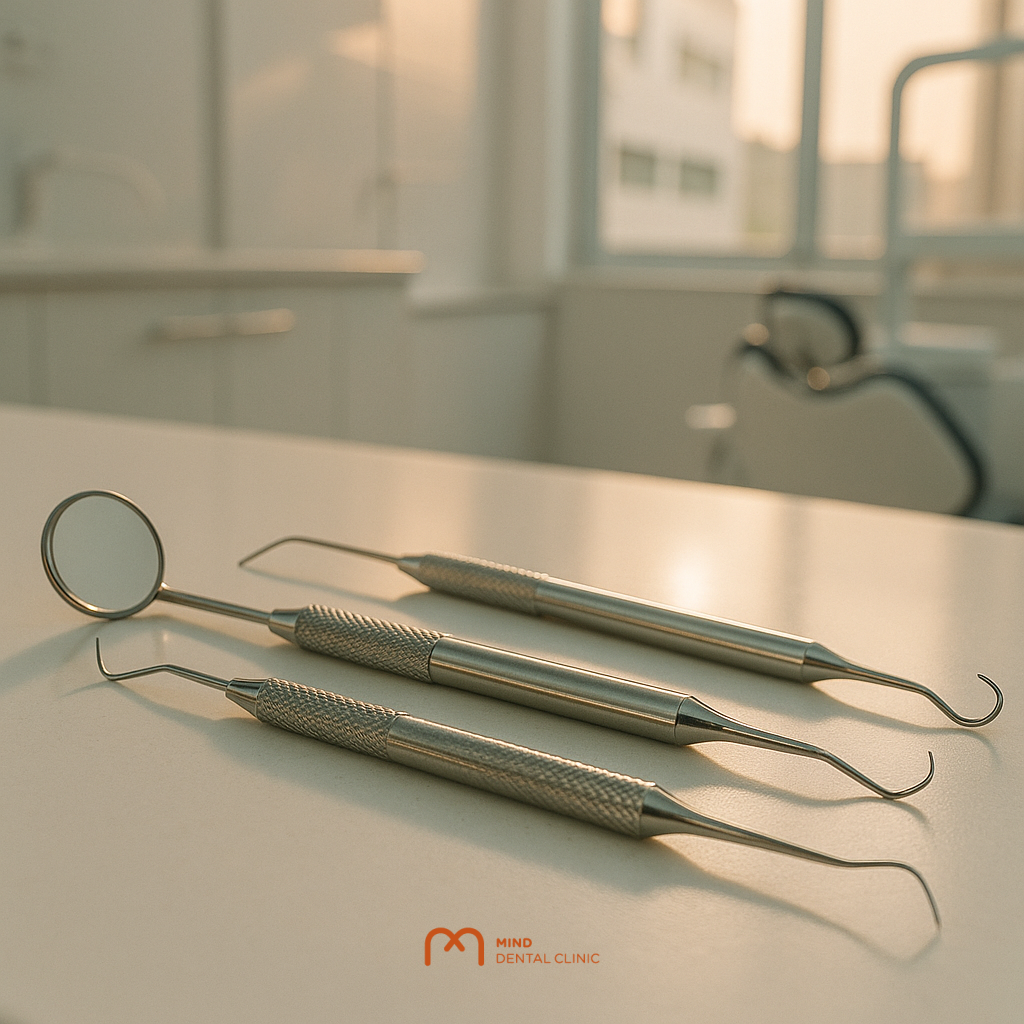
    If you notice persistent bleeding, it's advisable to schedule an appointment with a dental clinic in Korea to receive a professional cleaning and evaluation
    블로그 이미지

    Additionally, regular dental check-ups every six months can aid in early detection and treatment of gum disease.

    In summary, bleeding gums when brushing can indicate underlying gum disease and should not be ignored.
    Regular dental care and good oral hygiene practices are essential for maintaining healthy gums.
    If you have concerns about your gum health or experience persistent bleeding, consider reaching out to a dental professional for personalized advice and treatment options.


  • Ansan Non prep veneers Tips

    Ansan Non prep veneers Tips

    Ansan Non prep veneers Tips

    In the bustling city of Ansan, a young professional named Mr.
    Lee found himself grappling with an issue that many overlook until it becomes a significant concern.
    As a 32-year-old graphic designer, Mr.
    Lee spent countless hours in front of his computer, often forgetting to take breaks.
    One day, he noticed that his teeth felt unusually sensitive, especially when consuming hot or cold beverages.
    This realization prompted him to seek help, leading to a deeper exploration of his dental health.

    Upon his visit to the clinic, Mr.
    Lee described the symptoms he was experiencing—sharp pain that shot through his teeth when he sipped his morning coffee or enjoyed a cold drink after work.
    He also mentioned a lingering discomfort that made him hesitant to indulge in his favorite foods

    블로그 이미지

    As a dental specialist with extensive clinical experience, I listened intently, recognizing that sensitivity can often stem from a variety of causes, including enamel erosion, gum recession, or even lifestyle habits.

    The first step in addressing Mr.
    Lee's concerns was to conduct a thorough examination of his teeth and gums.
    During our assessment, we discovered that he had significant enamel wear due to acidic beverages and a lack of appropriate oral care.
    The combination of his diet and irregular brushing habits had led to the erosion of the protective enamel layer, exposing the underlying dentin.
    This exposure resulted in the sensitivity he experienced.
    Furthermore, we discussed the possibility of using Ansan non prep veneers to improve not only the aesthetics of his smile but also to provide additional protection against sensitivity

    To treat Mr.
    Lee's condition, we developed a comprehensive plan.
    Initially, we recommended a fluoride treatment to strengthen his enamel and alleviate some of the sensitivity.
    We also provided him with a customized oral hygiene routine that included using a soft-bristled toothbrush and a desensitizing toothpaste specifically designed to reduce sensitivity.
    In addition, we scheduled an appointment for him to discuss the benefits of Ansan non prep veneers, which could effectively enhance his smile while minimizing the need for extensive dental work.

    Preventive care was another crucial aspect of Mr.
    Lee's treatment.
    We educated him on the importance of regular dental check-ups to monitor his enamel health and prevent further erosion.
    Additionally, we discussed dietary changes, such as reducing the intake of acidic foods

    블로그 이미지

    and drinks, which could exacerbate his sensitivity.
    Incorporating more tooth-friendly options, like water and dairy products, would help maintain his dental health.
    Encouraging Mr.
    Lee to maintain a consistent oral hygiene routine, including flossing and rinsing with a fluoride mouthwash, was equally important in preventing future issues.

    In conclusion, Mr.
    Lee's case serves as a valuable reminder of how seemingly minor symptoms can lead to more significant dental concerns if left unaddressed.
    By understanding the causes of tooth sensitivity and taking proactive measures, individuals can protect their dental health and enjoy their favorite foods without discomfort.
    If you or someone you know is experiencing similar issues, I encourage you to seek professional consultation.
    Together, we can find the best solutions tailored to your unique needs.


  • Must-Know Regular Oral Check

    Must-Know Regular Oral Check

    Must-Know Regular Oral Check

    One common misconception is that regular oral check-ups are unnecessary if you maintain good oral hygiene at home.
    Many people believe that brushing twice a day and flossing regularly is sufficient to keep dental issues at bay, leading them to skip professional cleanings and examinations.
    This misunderstanding is rooted in the perception that visible cleanliness equates to overall dental health, which can often overlook underlying issues that may not be immediately apparent.

    The truth is that regular oral check-ups play a crucial role in preventing

    블로그 이미지

    dental problems that may arise despite a diligent home care routine.
    While good oral hygiene is vital, it does not guarantee the absence of issues like cavities, gum disease, or other oral health conditions.
    Many dental problems can develop silently, and only a professional can identify and address them before they become more serious.
    This misconception often arises from a lack of awareness about the complexities of oral health and the professional expertise that dentists provide.

    Accurate information emphasizes the importance of regular oral check-ups

    as part of a comprehensive approach to dental health.
    During these visits, dental professionals perform thorough examinations that include checking for signs of decay, gum disease, and other issues that may not be visible to the untrained eye.
    Moreover, professional cleanings help remove plaque and tartar that regular brushing might miss, reducing the risk of cavities and gum disease.
    It's essential to understand that these check-ups are not just about addressing existing problems but also about preventive care that can save time and money in the long run by avoiding more extensive treatments

    블로그 이미지

    In summary, while maintaining good oral hygiene at home is important, it should not replace regular oral check-ups.
    These visits are vital for early detection and prevention of dental issues, ensuring a healthy smile for years to come.
    If you have questions about your oral health or want to schedule a comprehensive check-up, consider reaching out to a dental professional to discuss your needs.
    Regular oral check-ups are a key component of a proactive approach to maintaining your dental health.


  • Implants Longevity

    Implants Longevity

    Implants Longevity

    Many patients often ask, "How long do dental implants last?" This question is crucial for anyone considering implants as a solution for missing teeth.
    Generally, dental implants are designed to be a long-term solution, with many lasting 10 to 15 years or even longer with proper care.
    However, various factors influence their longevity, including the patient's oral hygiene, lifestyle choices, and the skill of the dental professional performing the procedure

    블로그 이미지

    Dental implants consist of three main components: the implant itself, the abutment, and the crown.
    During the procedure, a titanium post is surgically placed into the jawbone, where it fuses with the bone in a process called osseointegration.
    This fusion is essential for the stability and longevity of the implant.
    After healing, a custom-made crown is attached to the implant, providing a natural appearance and functionality.
    Patients should be aware that while the implant can last many years,

    the crown may require replacement sooner due to wear and tear.

    To prolong the life of dental implants, maintaining excellent oral hygiene is crucial.
    Regular brushing and flossing, along with routine dental check-ups, can help prevent complications such as peri-implantitis, an infection that can affect the surrounding gum tissue and bone.
    Additionally, avoiding tobacco products is highly recommended, as smoking can hinder healing and increase the risk of implant failure

    블로그 이미지

    A balanced diet rich in calcium and vitamins can also support oral health, contributing to the longevity of dental implants.

    In summary, dental implants can last over a decade with proper care and maintenance, but individual factors play a significant role in their longevity.
    For those considering implants, it is essential to consult with a dental professional who can provide personalized advice based on individual health needs.
    Should you have more questions about dental implants or wish to explore your options, feel free to reach out for a consultation.


  • Ansan Non prep veneers Guide

    Ansan Non prep veneers Guide

    Ansan Non prep veneers Guide

    What are Ansan Non Prep Veneers and how do they work?
    Many patients often inquire about the unique features of non-prep veneers, especially when compared to traditional options.

    Non-prep veneers are ultra-thin shells made from durable materials like porcelain.
    They are designed to bond directly to the front surface of your teeth, providing a cosmetic enhancement without the need for extensive tooth reduction.
    This is particularly beneficial for those who want to enhance their smile without altering their natural teeth significantly

    블로그 이미지

    The process is minimally invasive, making it an attractive option for many individuals.

    How long do Ansan Non Prep Veneers last?
    This is a common question among patients considering this cosmetic dental procedure.
    Generally, if properly cared for, non-prep veneers can last anywhere from 5 to 15 years.
    Factors influencing their longevity include your oral hygiene practices, dietary habits, and whether you grind your teeth.
    Regular dental check-ups play a crucial role in maintaining the health of your veneers and underlying teeth

    If you experience any wear or damage, it’s important to consult with a dental professional promptly.

    What precautions should I take with non-prep veneers?
    While non-prep veneers are designed to be durable, there are specific precautions to extend their lifespan.
    Avoid biting on hard objects, such as ice or hard candy, as this can chip or crack the veneers.
    It’s also recommended to refrain from using your teeth as tools, for example, to open packages.
    Maintaining a good oral hygiene routine, including brushing twice a day

    블로그 이미지

    and flossing daily, helps prevent harmful bacteria from affecting the veneers and the health of your teeth.

    In summary, Ansan Non Prep Veneers offer a cosmetic solution that can significantly enhance your smile with minimal impact on your natural teeth.
    With proper care and regular dental visits, they can last many years.
    If you’re considering this option, consulting a dental professional will provide you with personalized advice and help you make an informed decision about your dental health.


  • Oral Hygiene Care Tips

    Oral Hygiene Care Tips

    Oral Hygiene Care Tips

    Maintaining good oral hygiene is essential for achieving and sustaining optimal dental health.
    It encompasses a variety of practices that help keep your teeth and gums healthy, preventing issues such as cavities, gum disease, and other oral infections.
    In this post, we will explore the importance of oral hygiene care, delve into effective strategies for maintaining it, and provide practical tips that you can easily incorporate into your daily routine.

    Good oral hygiene is the foundation of a healthy mouth.
    When you prioritize your oral care, you reduce the risk of developing dental problems that can lead to more serious health issues.
    For instance, neglecting oral hygiene can result in plaque buildup, which leads to cavities and gum diseases like gingivitis or periodontitis

    블로그 이미지

    Additionally, research has shown that poor oral health can be linked to systemic conditions such as heart disease and diabetes.
    Therefore, it is crucial to understand the reasons behind maintaining oral hygiene and the steps you can take to ensure your dental health remains in top shape.

    The practice of oral hygiene care involves several essential components: regular brushing, flossing, and routine dental check-ups.
    Brushing your teeth at least twice a day using fluoride toothpaste helps remove food particles and plaque.
    Equally important is flossing daily, as it reaches areas between the teeth that a toothbrush cannot.
    This dual approach significantly decreases the likelihood of cavities and gum disease.
    Moreover, scheduling regular dental visits allows professionals to monitor your oral

    health and address any potential issues before they become serious.
    These visits are an opportunity for professional cleanings, which help remove tartar that brushing and flossing alone cannot eliminate.

    In addition to these basic practices, there are several practical tips you can apply to enhance your oral hygiene routine.
    First, consider using an electric toothbrush, which can be more effective at removing plaque compared to manual brushing.
    Second, make sure to replace your toothbrush every three to four months or sooner if the bristles are frayed.
    Another useful tip is to rinse your mouth with water or mouthwash after meals, which can help wash away food particles and reduce acidity in the mouth.
    Additionally, a balanced diet rich in fruits, vegetables, and whole grains can greatly benefit your oral health

    블로그 이미지

    Foods like apples and carrots can naturally clean your teeth, while dairy products provide calcium to strengthen enamel.
    Lastly, staying hydrated is essential, as it promotes saliva production, which is your mouth’s natural defense against decay.

    In conclusion, taking charge of your oral hygiene care is an investment in your overall health and well-being.
    By incorporating these practices and tips into your daily routine, you can significantly reduce the risk of dental issues and enjoy a healthy smile for years to come.
    If you have any concerns about your oral health or would like personalized guidance on improving your dental care habits, feel free to reach out for a consultation.
    Your journey to better oral hygiene starts with a single step, so make that appointment today!


  • Understanding Implants

    Understanding Implants

    Understanding Implants

    One common misconception in dental health is that dental implants are only a last resort for individuals who have lost all their teeth.
    Many people believe that implants should be avoided until absolutely necessary.
    This misunderstanding can lead to delays in treatment and prevent individuals from experiencing the full benefits of implants, including improved oral function and aesthetics.

    The truth is that dental implants can serve as an effective solution for various dental issues beyond just complete tooth loss

    블로그 이미지

    They are suitable for replacing a single missing tooth, multiple teeth, or even supporting dentures.
    The reason this misconception persists may stem from the historical perception of implants as a complex and invasive procedure, primarily associated with severe tooth loss.
    However, advancements in dental technology and techniques have made implants a viable option for many patients earlier in their treatment journey.

    When considering dental implants, it is essential to have a thorough assessment by a qualified dental professional

    During this evaluation, factors such as bone density, oral health, and overall medical history will be taken into account.
    For those with sufficient bone structure, implants can often be placed without the need for bone grafting, making the process more straightforward and less invasive.
    Moreover, implants have a high success rate and can last for many years, offering a durable solution that can significantly enhance quality of life.

    In summary, dental implants should not be viewed solely as a last resort

    블로그 이미지

    They provide a versatile treatment option for anyone experiencing tooth loss, regardless of severity.
    By addressing this misconception, patients can make informed decisions about their dental health and explore the benefits of implants sooner rather than later.
    If you are considering dental implants or have any questions regarding your oral health, feel free to reach out for a consultation to discuss your options.
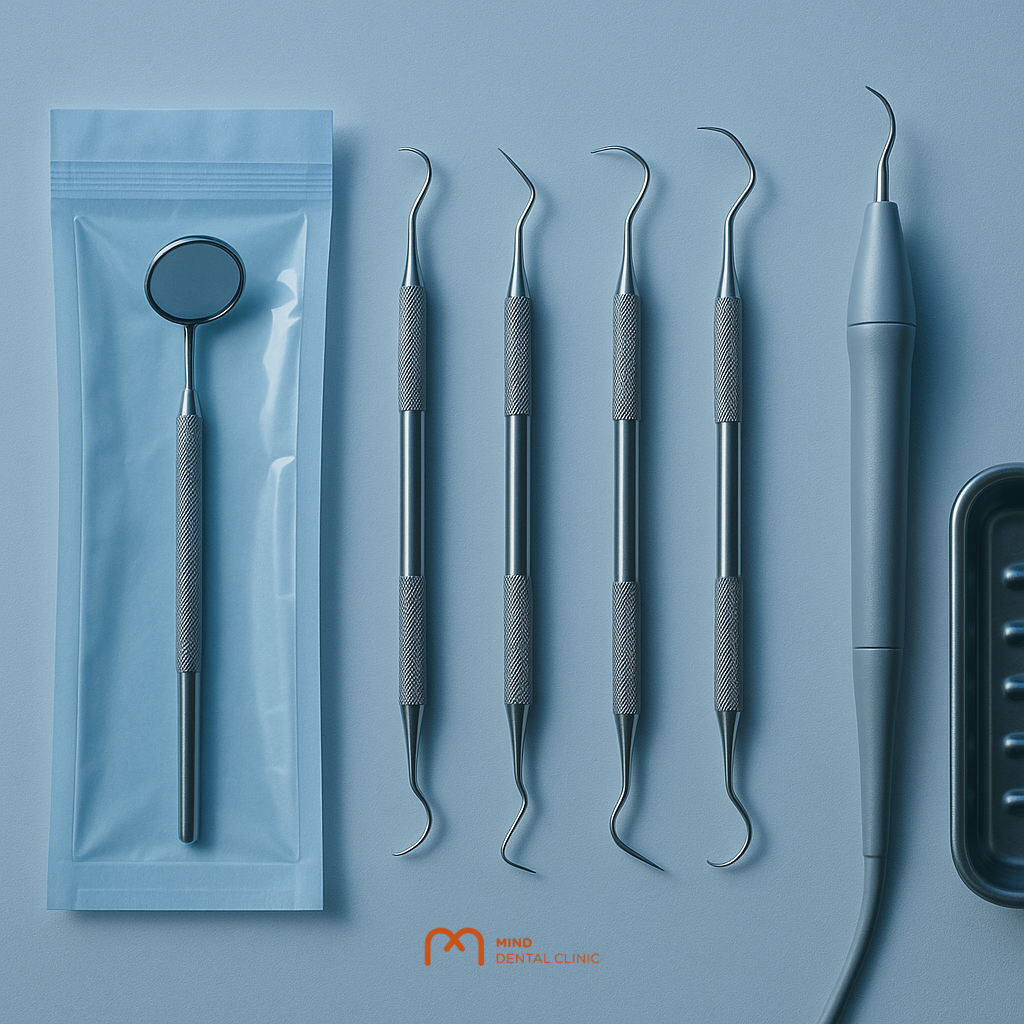

  • Scaling Myths at Dental Clinic in Ansan

    Scaling Myths at Dental Clinic in Ansan

    Scaling Myths at Dental Clinic in Ansan

    Misconceptions surrounding dental health can lead to confusion and anxiety for patients.
    One common belief is that scaling, a procedure used to remove plaque and tartar from teeth, makes gums weaker.
    This misconception can deter individuals from seeking necessary dental care, fearing that such treatments might harm their oral health rather than improve it.
    Understanding the truth behind this claim is vital for maintaining good dental hygiene and overall health.

    The belief that scaling weakens gums likely stems from a misunderstanding of the procedure itself

    블로그 이미지

    Many patients associate any manipulation of the gums with damage or deterioration.
    However, the reality is that scaling is a crucial part of preventive dentistry.
    It helps to remove harmful bacteria that cause gum disease, which can ultimately lead to gum recession and tooth loss if left untreated.
    The more we understand about scaling and its benefits, the more we can appreciate its role in promoting gum health rather than detracting from it.

    Accurate information about scaling reveals that it is generally a safe and effective treatment when performed by a qualified dental professional

    The procedure involves using specialized instruments to remove calculus and plaque from the surfaces of teeth, especially below the gum line.
    This process not only helps in maintaining gum health but also can reverse early signs of gum disease.
    Following scaling, gums may initially appear slightly inflamed, but this is a temporary response to the removal of irritants.
    Over time, with proper oral hygiene practices and regular dental visits, gums typically heal and strengthen.

    In summary, the notion that scaling makes gums weaker is a misconception that can hinder proper dental care

    블로그 이미지

    Scaling is an essential procedure that aids in the prevention and management of gum disease, ultimately promoting stronger and healthier gums.
    If you have concerns about your oral health or the scaling process, consider scheduling a consultation at a reputable dental clinic in Ansan.
    Together, you can develop a personalized care plan that addresses your needs and supports your dental health for the long term.
    Remember, taking proactive steps in your dental care today can lead to a healthier smile tomorrow.


  • Scaling Myths Debunked

    Scaling Myths Debunked

    Scaling Myths Debunked

    In the realm of dental care, there are numerous misconceptions that can lead to anxiety and misunderstandings among patients.
    One prevalent belief is that scaling, a common dental procedure, weakens the gums.
    This notion has circulated widely, often instilling fear in individuals who might need this treatment.
    However, understanding the truth behind this misconception can empower patients to make informed decisions about their oral health.

    The belief that scaling weakens gums likely stems from the discomfort sometimes associated with the procedure

    블로그 이미지

    Scaling involves the removal of plaque and tartar from the teeth and below the gumline, which can lead to temporary sensitivity or discomfort.
    This short-lived reaction can be misconstrued as a sign of damage to the gums, leading to the misguided conclusion that scaling weakens them.
    In reality, gum health is improved through this practice, as it prevents periodontal disease and promotes healing.

    Accurate information regarding scaling reveals that the procedure is essential for maintaining healthy gums and teeth

    Scaling effectively removes harmful bacteria that contribute to gum disease, which, if left untreated, can lead to more severe health issues.
    Regular scaling sessions can help prevent gingivitis and periodontitis, conditions that can cause significant gum recession and tooth loss.
    Moreover, scaling is not a one-size-fits-all treatment; dental professionals tailor the approach based on individual needs, ensuring that patients receive care appropriate for their specific situations

    블로그 이미지

    In summary, the misconception that scaling weakens gums is unfounded and stems from a misunderstanding of the procedure's purpose and effects.
    Instead of causing harm, scaling is a beneficial treatment that helps maintain and improve gum health.
    If you have concerns about gum health or scaling, consulting with a dental professional can provide clarity and tailored advice.
    Remember, informed patients make healthier choices, and seeking professional guidance is an essential step in achieving optimal oral health.


  • Dental Clinic in Ansan Tips

    Dental Clinic in Ansan Tips

    Dental Clinic in Ansan Tips

    In the bustling city of Ansan, a patient named Mr.
    Lee walked into the dental clinic seeking relief from discomfort that had been plaguing him for months.
    As a 45-year-old office worker with a demanding schedule, Mr.
    Lee often neglected his dental hygiene.
    He had always been a bit apprehensive about dental visits, but this time, the pain was too much to ignore.
    After a brief conversation, it became clear that Mr.
    Lee was experiencing significant tooth sensitivity, particularly when consuming hot or cold foods and beverages.

    Mr.
    Lee described his symptoms vividly.
    He explained that every time he took a sip of iced water or enjoyed a hot bowl of soup, he felt a sharp, shooting pain in his teeth.
    The discomfort often lingered for several minutes after eating or drinking, causing him to avoid certain foods altogether

    블로그 이미지

    He also noted that his gums sometimes felt tender, especially when brushing.
    This prompted him to seek help from a dental clinic in Ansan, where he hoped to find answers and relief.

    Upon examination, it was evident that Mr.
    Lee's sensitivity stemmed from multiple factors.
    Firstly, he had signs of gum recession, which exposed the sensitive roots of his teeth.
    Additionally, he had a history of inconsistent dental care, leading to the accumulation of plaque and tartar, which can contribute to gum disease.
    The dental professional explained that when the gums recede, the protective enamel on the teeth can wear down, leading to heightened sensitivity.
    Mr.
    Lee also confessed to grinding his teeth at night, a condition known as bruxism, which can exacerbate wear on the enamel and increase sensitivity

    To address these issues, a comprehensive treatment plan was devised.
    This included a thorough cleaning to remove plaque and tartar build-up, which would help reduce inflammation in the gums.
    Mr.
    Lee was also advised to use a desensitizing toothpaste designed specifically for sensitive teeth.
    To further protect his enamel, a fluoride treatment was recommended, along with customized mouthguards to prevent damage from nighttime grinding.
    The dental professional also emphasized the importance of regular check-ups and maintaining good oral hygiene practices at home.

    In addition to the treatment plan, practical prevention tips were discussed to help Mr.
    Lee manage his sensitivity moving forward.
    He was encouraged to limit his intake of acidic foods and beverages, which can erode enamel over time

    블로그 이미지

    Implementing a gentle brushing technique and using a soft-bristled toothbrush were also recommended to avoid further irritation to his gums.
    Mr.
    Lee was advised to be mindful of his diet and to seek regular dental cleanings every six months to monitor his oral health closely.

    As Mr.
    Lee left the clinic, he felt a sense of hope.
    He realized that with the right care and attention, he could significantly improve his oral health and reduce his sensitivity.
    For anyone facing similar issues, it is crucial to consult with a dental professional who can provide personalized advice and treatment.
    If you’re experiencing discomfort like Mr.
    Lee, consider reaching out to a dental clinic in Ansan for a consultation.
    Taking proactive steps toward your dental health is essential for a bright and healthy smile.