
Prosthodontics Unveiled
In the world of dentistry, every patient has a unique story that often reveals the complexities of oral health.
Let’s explore the case of Mr.
Thompson, a 52-year-old man who sought treatment for multiple dental issues.
Mr.
Thompson had been experiencing significant discomfort in his mouth, specifically related to his missing teeth and ill-fitting dentures.
As a dental specialist with extensive experience in prosthodontics, I understood that Mr.
Thompson's case was more than just a matter of aesthetics; it was deeply connected to his overall well-being.
Mr.
Thompson complained of persistent pain when chewing and a feeling of self-consciousness due to his missing teeth.
He had been wearing dentures for several years, but they had become loose over time, which led to discomfort and difficulty in eating.
Additionally, he reported that his confidence had taken a hit, affecting his social interactions

and willingness to engage in activities he once enjoyed.
This scenario is not uncommon among individuals who have lost teeth, as the functional and psychological impacts can be quite profound.
The root causes of Mr.
Thompson's issues stemmed from a combination of factors.
Over the years, he had experienced both gum disease and tooth decay, which resulted in the loss of several teeth.
His existing dentures, while initially suitable, became misaligned due to bone resorption in his jaw, a common consequence after tooth loss.
This shift not only caused discomfort but also contributed to his inability to eat certain foods, ultimately leading to nutritional deficiencies.
To address these issues, I recommended a comprehensive treatment plan that included a thorough evaluation of his oral health, x-rays, and a discussion about his options, which primarily focused on prosthodontics
The treatment process began with an assessment of Mr.
Thompson’s oral cavity.
We discussed the possibility of dental implants as a stable solution for his missing teeth.
Dental implants provide a strong foundation for replacement teeth, which can significantly enhance both function and aesthetics.
To proceed, we scheduled a surgical appointment for the implant placement, followed by a healing period.
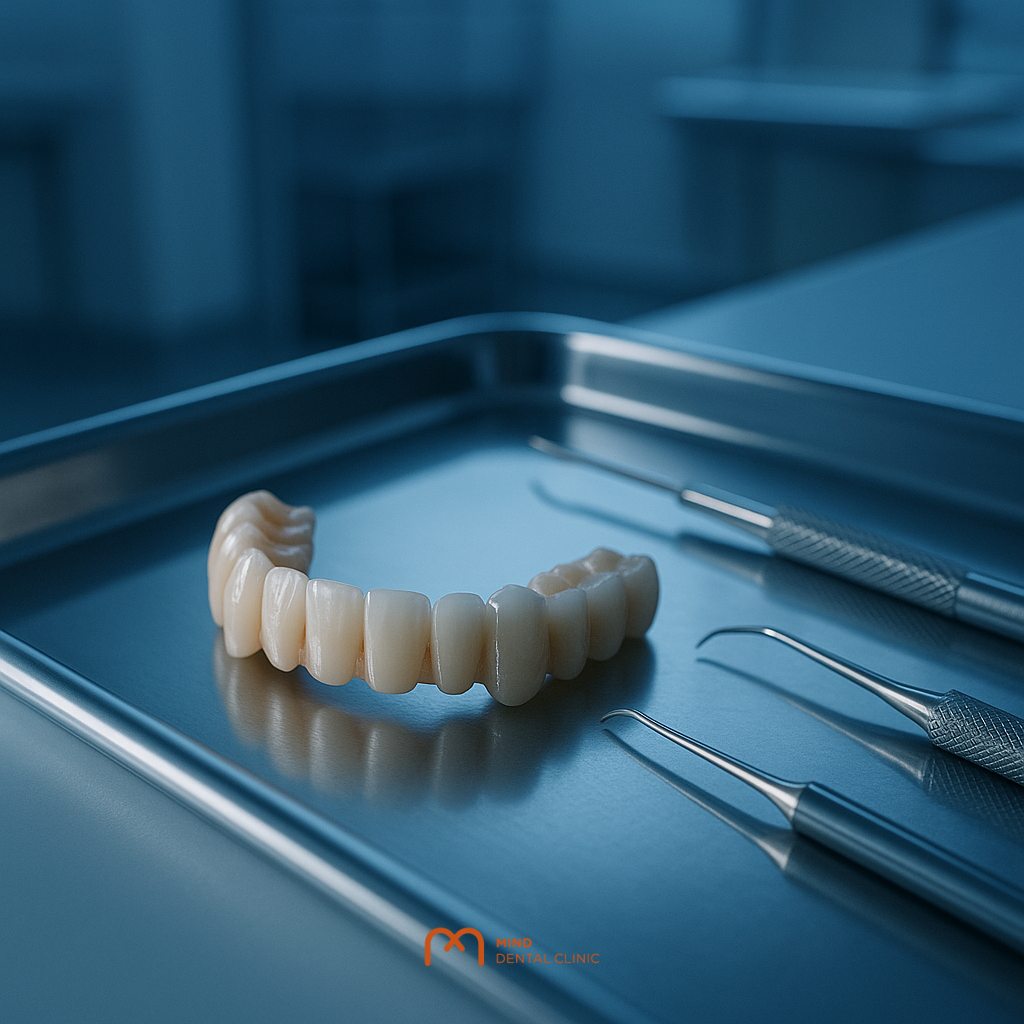
Once the implants integrated with his jawbone, we would create custom-made crowns that would restore his smile.
Throughout this process, I emphasized the importance of regular follow-ups to monitor his healing and ensure the success of the implants.
To prevent future issues and maintain oral health, I shared several care tips with Mr.
Thompson.
First, maintaining good oral hygiene is crucial.
This includes regular brushing with fluoride toothpaste, daily flossing, and routine dental check-ups
Additionally, I encouraged him to eat a balanced diet rich in vitamins and minerals to support gum health and aid healing.
Avoiding smoking and excessive alcohol consumption is also vital, as these habits can negatively impact oral health and the success of dental treatments.
Lastly, I suggested that Mr.
Thompson consider using a mouthguard if he grinds his teeth, as this can further protect his dental investments.
In conclusion, Mr.
Thompson's case illustrates the importance of addressing both the functional and emotional aspects of dental health.
Through proper diagnosis, treatment, and ongoing care, it is possible to restore not just a smile, but also confidence and quality of life.
If you or someone you know is facing similar challenges, I invite you to seek professional consultation to explore your options.
Together, we can create a personalized treatment plan tailored to your needs.

답글 남기기