
Scaling Myths Debunked
In the realm of dental care, there are numerous misconceptions that can lead to anxiety and misunderstandings among patients.
One prevalent belief is that scaling, a common dental procedure, weakens the gums.
This notion has circulated widely, often instilling fear in individuals who might need this treatment.
However, understanding the truth behind this misconception can empower patients to make informed decisions about their oral health.
The belief that scaling weakens gums likely stems from the discomfort sometimes associated with the procedure

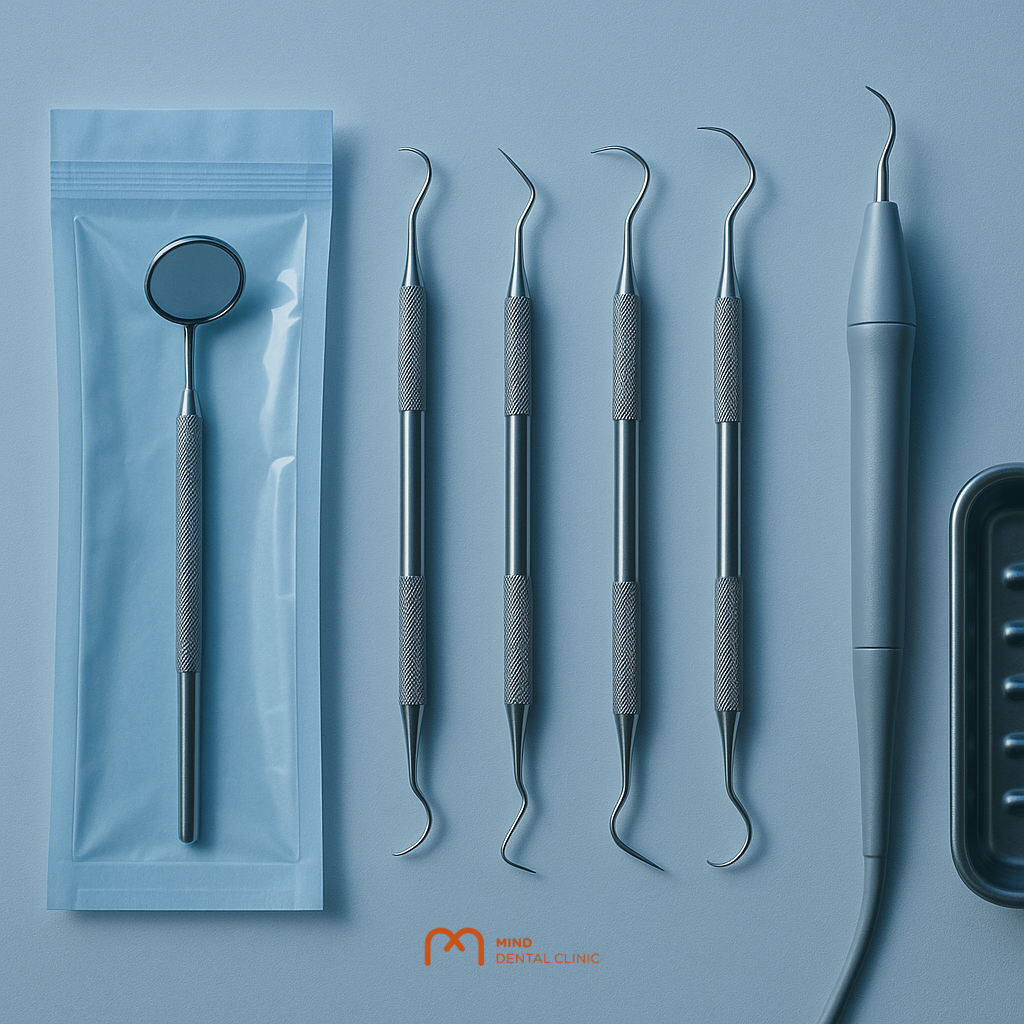
Scaling involves the removal of plaque and tartar from the teeth and below the gumline, which can lead to temporary sensitivity or discomfort.
This short-lived reaction can be misconstrued as a sign of damage to the gums, leading to the misguided conclusion that scaling weakens them.
In reality, gum health is improved through this practice, as it prevents periodontal disease and promotes healing.
Accurate information regarding scaling reveals that the procedure is essential for maintaining healthy gums and teeth
Scaling effectively removes harmful bacteria that contribute to gum disease, which, if left untreated, can lead to more severe health issues.
Regular scaling sessions can help prevent gingivitis and periodontitis, conditions that can cause significant gum recession and tooth loss.
Moreover, scaling is not a one-size-fits-all treatment; dental professionals tailor the approach based on individual needs, ensuring that patients receive care appropriate for their specific situations
In summary, the misconception that scaling weakens gums is unfounded and stems from a misunderstanding of the procedure's purpose and effects.
Instead of causing harm, scaling is a beneficial treatment that helps maintain and improve gum health.
If you have concerns about gum health or scaling, consulting with a dental professional can provide clarity and tailored advice.
Remember, informed patients make healthier choices, and seeking professional guidance is an essential step in achieving optimal oral health.

답글 남기기